Vineyard Management Software for Columbia Valley
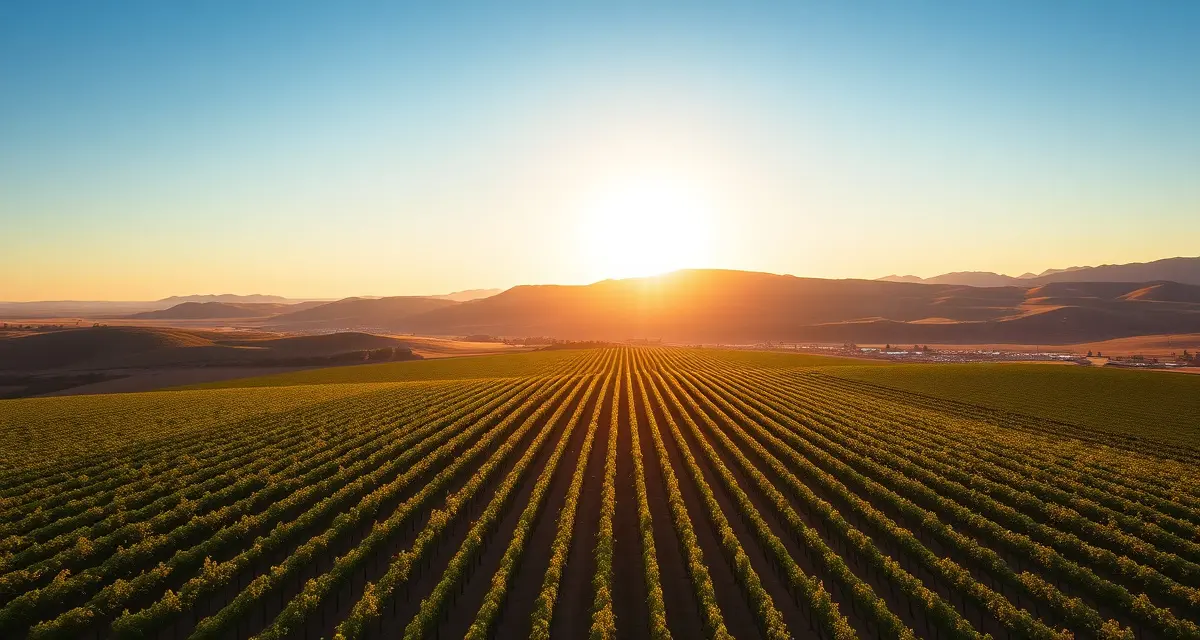
Columbia Valley has over 350 wineries, making it Washington's largest wine region and one of the most productive in the US. Columbia Valley's semi-arid climate requires a distinct IPM calendar from any European tool or coastal California platform -- the conditions in the region are unique enough that a program built for France, Oregon, or Napa will consistently underperform when applied here.
TL;DR
- Columbia Valley receives only 6-8 inches of annual precipitation -- downy mildew is rarely the program anchor it's in Oregon, but powdery mildew under warm irrigated conditions is a persistent challenge through the entire growing season
- QoI (Group 11) fungicide resistance in powdery mildew is confirmed in Columbia Valley; multiple growers report breakthrough with azoxystrobin and trifloxystrobin -- FRAC rotation tracking isn't optional here
- Spider mites and western grape leafhopper populations build rapidly in Columbia Valley's hot dry summers; disrupting biological control with broad-spectrum applications can accelerate mite population explosions
- WSDA requires commercial pesticide application records retained for 2 years, available for inspection on request; wind speed at application time is important to document given Columbia Valley's notable wind events
- Every Washington commercial vineyard uses drip or sprinkler irrigation -- irrigation scheduling connects directly to disease risk management in ways rain-fed viticulture doesn't require, and your records should reflect this
- VitiScribe generates WSDA-formatted records with all required fields; Columbia Valley blocks across multiple counties are managed in the same account without per-county fees
The semi-arid Columbia Valley sits in Washington State's rain shadow, receiving only 6-8 inches of annual precipitation. That changes everything about disease management: downy mildew is rarely the program anchor it's in Oregon, but powdery mildew under warm, irrigated conditions with moderate summer humidity is a persistent and serious challenge through the entire growing season.
Why Columbia Valley Needs Different Software
Most vineyard management software was designed with California or European conditions in mind. Those programs assume either coastal humidity driving disease pressure, or a Mediterranean climate with a pronounced dry season that shuts down disease risk mid-summer. Columbia Valley doesn't fit either model.
What makes Columbia Valley's IPM calendar distinct:
Irrigated desert viticulture: Every Washington commercial vineyard uses drip or sprinkler irrigation. This changes how you think about water stress, mite management, and the microclimate in the bunch zone. Irrigation scheduling connects directly to disease risk management in a way that rain-fed viticulture doesn't require.
Summer temperature extremes: Columbia Valley summer temperatures regularly exceed 100°F. At those temperatures, powdery mildew reproductive activity slows -- but it doesn't stop. The days on either side of a heat spike (75-92°F) are often the highest infection risk windows.
Minimal disease pressure early season: Without late-spring rainfall, downy mildew and Phomopsis infection opportunities are rare in most years. This allows a later program start for those diseases, concentrating your early-season spray investment on powdery mildew.
Wind as a compliance factor: Columbia Valley's infamous wind events create spray drift concerns that require careful application timing documentation. Wind speed at application time is critical to record for both efficacy and compliance purposes.
Columbia Valley's Primary IPM Targets
Powdery mildew is the anchor disease. Without question. Programs run from April or May through August-September depending on harvest variety timing. Late-season powdery mildew on cluster scars at harvest is a notable quality defect for premium Columbia Valley wines, making the late-season program as important as the early-season one.
Leafhoppers (western grape leafhopper and variegated grape leafhopper) are economically notable. Both species are present throughout Columbia Valley. Summer populations can build rapidly with the region's warm temperatures. Second-generation timing in mid-July to early August often represents the peak damage risk.
Spider mites (Panonychus ulmi, Tetranychus urticae) -- Columbia Valley's hot, dry summers are ideal for spider mite population explosions, particularly in stressed vines with disrupted biological control. European red mite and two-spotted spider mite can both reach economic damage levels in a season where predatory mite populations are disrupted by broad-spectrum applications.
Grape berry moth -- GBM is present in Columbia Valley and Yakima Valley vineyards. Three generations per year. Degree day monitoring from biofix is the appropriate management approach.
Mealybug -- Both grape mealybug (Pseudococcus maritimus) and Gill's mealybug (Ferrisia gilli) are present in Columbia Valley vineyards. Leafroll virus association makes mealybug management increasingly important in older Columbia Valley blocks with confirmed leafroll infections.
WSDA Compliance for Columbia Valley Growers
Washington State Department of Agriculture administers pesticide use regulations for Columbia Valley vineyards. All commercial pesticide applications require records maintained by the licensed applicator for a minimum of 2 years.
Required fields for Columbia Valley spray records:
- Applicator name and WSDA commercial pesticide applicator license number
- Date of application
- Site description (vineyard name, block identifier, county)
- Pesticide product name and EPA registration number
- Application rate per acre
- Total amount of pesticide applied
- Method of application
- Target pest and crop
- Acres treated
Wind speed documentation: Columbia Valley's notable wind events make wind speed at application time an important record field. While not technically required in every WSDA record format, documenting wind speed protects you if a drift complaint is filed -- your record shows you applied under acceptable conditions.
VitiScribe's Washington compliance profile generates WSDA-formatted records with all required fields. See WSDA compliance requirements in detail.
Powdery Mildew Management in the Semi-Arid Columbia Valley
Building an effective powdery mildew program for Columbia Valley conditions requires understanding the unique temperature-driven infection windows that this semi-arid climate creates.
Spring (April-May): Powdery mildew programs start at budbreak, which in Columbia Valley typically falls in late March to mid-April. Morning humidity during this period -- even in a dry spring -- creates infection conditions during the 2-4 hours between sunrise and when temperatures warm enough to drop humidity below the infection threshold. Programs should start at 1-2 inch shoot growth.
Pre-bloom and bloom (May-June): 7-day intervals are critical during bloom. This is universally true across all wine regions, and Columbia Valley is no exception.
Summer (July-August): Heat events above 95°F slow powdery mildew reproductive activity, but they don't eliminate it. The days on either side of heat spikes are often the highest risk windows, as temperatures cool back into the optimal range (70-92°F). Don't skip applications immediately after a heat event -- that's when the pathogen rebounds.
Pre-harvest (August-September): Continue the program with 0-day PHI materials (sulfur, potassium bicarbonate, Pristine) as harvest approaches. Cluster-stage powdery mildew at harvest creates quality defects that affect winery pricing even when regulatory PHI compliance is maintained.
QoI resistance: QoI (Group 11) fungicide resistance in powdery mildew is confirmed in Columbia Valley. Multiple Columbia Valley growers report breakthrough with azoxystrobin and trifloxystrobin. If you're relying on QoI chemistry, evaluate your program response carefully. VitiScribe tracks FRAC group history by block and flags consecutive same-mode applications. See FRAC rotation planning.
Columbia Valley Pricing for VitiScribe
VitiScribe serves Columbia Valley vineyards of all sizes at the same transparent pricing applied to all regions:
- Small vineyard (up to 50 acres): $99/month
- Mid vineyard (50-200 acres): $199/month
- Large vineyard (over 200 acres): $399/month
No add-on fees for WSDA compliance formats, GPS block mapping, or mobile access. Columbia Valley operations with multiple blocks across Yakima, Benton, Franklin, or other counties are all managed within the same platform without per-county fees.
Frequently Asked Questions
What vineyard management software works for Columbia Valley?
Columbia Valley vineyards need software built for semi-arid irrigation-dependent viticulture with WSDA compliance requirements -- not a tool designed for California coastal conditions or European rain-fed viticulture. VitiScribe's Columbia Valley profile handles WSDA-formatted records, powdery mildew programs calibrated to Columbia Valley's summer temperature extremes, spider mite and leafhopper management calendars appropriate for the region, and GBM degree day tracking using Columbia Valley weather station data. Mobile offline capability is important for vineyards in areas with limited cell service.
How does VitiScribe handle Columbia Valley's powdery mildew risk calendar?
VitiScribe connects to local weather station data for Columbia Valley vineyard locations. The spray window planner incorporates temperature thresholds relevant to Columbia Valley conditions -- flagging application windows on either side of heat spikes as higher risk periods, tracking morning humidity conditions that create early-season infection windows, and calculating PHI-constrained late-season application windows based on your expected harvest dates by block. FRAC rotation tracking prevents consecutive same-mode applications and documents your resistance management program for WSDA or certification audits.
What WSDA records are required for Columbia Valley vineyard operations?
Washington WSDA requires commercial applicators to maintain records for all pesticide applications for a minimum of 2 years. Records must include: applicator name and WSDA license number, application date and site location, product name and EPA registration number, rate per acre and total amount used, application method, target pest, and acreage treated. Restricted-use pesticide records must include the applicator's WSDA license number. Records must be available for WSDA inspection on request. Unlike California, Washington does not have a mandatory proactive submission requirement for most pesticide use records.
How should Columbia Valley growers document spray applications made under high-wind conditions?
If you apply during a period when winds are at or near the acceptable limit for the product or equipment, note the actual wind speed and direction in the spray record at the time of application. Columbia Valley's wind events are frequent enough that a record showing "wind speed: 8 mph, NW" at application time is meaningfully different from a record with no wind data. If a drift complaint is filed after a high-wind application, your spray record's environmental conditions notation is your primary evidence that the application was made within acceptable parameters. VitiScribe's weather conditions field in the spray record captures wind speed and direction at the time of each entry -- fill it in during or immediately after every application, not at the end of the week.
What records should Columbia Valley growers keep for leafroll virus management alongside spray records?
Leafroll virus management in Columbia Valley involves both chemical and non-chemical responses -- primarily mealybug control to limit vector spread, plus vine removal or block conversion decisions for heavily infected blocks. The spray records for mealybug applications should note the connection to leafroll management in the target pest field (e.g., "grape mealybug -- leafroll vector management"). Block-level observations documenting the presence of leafroll symptoms, the percentage of vines affected, and any vine removal activities belong in the scouting and canopy management records alongside the spray log. This integrated record is valuable if you're managing a block that winery buyers or a sustainable certification program is scrutinizing for leafroll presence, as it shows an active management response rather than unaddressed pressure.
What is Vineyard Management Software for Columbia Valley?
[FAQ_ANSWER_PLACEHOLDER: This answer needs to be generated by AI with specific data, examples, and actionable advice relevant to Vineyard Management Software for Columbia Valley. Target 50-150 words.]
How much does Vineyard Management Software for Columbia Valley cost?
[FAQ_ANSWER_PLACEHOLDER: This answer needs to be generated by AI with specific data, examples, and actionable advice relevant to Vineyard Management Software for Columbia Valley. Target 50-150 words.]
How does Vineyard Management Software for Columbia Valley work?
[FAQ_ANSWER_PLACEHOLDER: This answer needs to be generated by AI with specific data, examples, and actionable advice relevant to Vineyard Management Software for Columbia Valley. Target 50-150 words.]
What are the benefits of Vineyard Management Software for Columbia Valley?
[FAQ_ANSWER_PLACEHOLDER: This answer needs to be generated by AI with specific data, examples, and actionable advice relevant to Vineyard Management Software for Columbia Valley. Target 50-150 words.]
Who needs Vineyard Management Software for Columbia Valley?
[FAQ_ANSWER_PLACEHOLDER: This answer needs to be generated by AI with specific data, examples, and actionable advice relevant to Vineyard Management Software for Columbia Valley. Target 50-150 words.]
How long does Vineyard Management Software for Columbia Valley take?
[FAQ_ANSWER_PLACEHOLDER: This answer needs to be generated by AI with specific data, examples, and actionable advice relevant to Vineyard Management Software for Columbia Valley. Target 50-150 words.]
Related Articles
- Vineyard Management Software for Willamette Valley
- Vineyard Management Software for Willamette Valley
Sources
- Washington State Department of Agriculture (WSDA)
- UC Cooperative Extension Viticulture
- American Vineyard Foundation
- Wine Institute
- American Society for Enology and Viticulture (ASEV)
Get Started with VitiScribe
Columbia Valley viticulture requires spray records and an IPM tracking system calibrated to semi-arid irrigated conditions, not coastal California or European defaults. VitiScribe's WSDA-formatted compliance records, FRAC rotation tracking for QoI resistance management, and weather-integrated spray window alerts give Columbia Valley growers a documentation system built for how Washington viticulture actually works. Try VitiScribe free and generate your first WSDA-compliant spray record from your Columbia Valley blocks today.