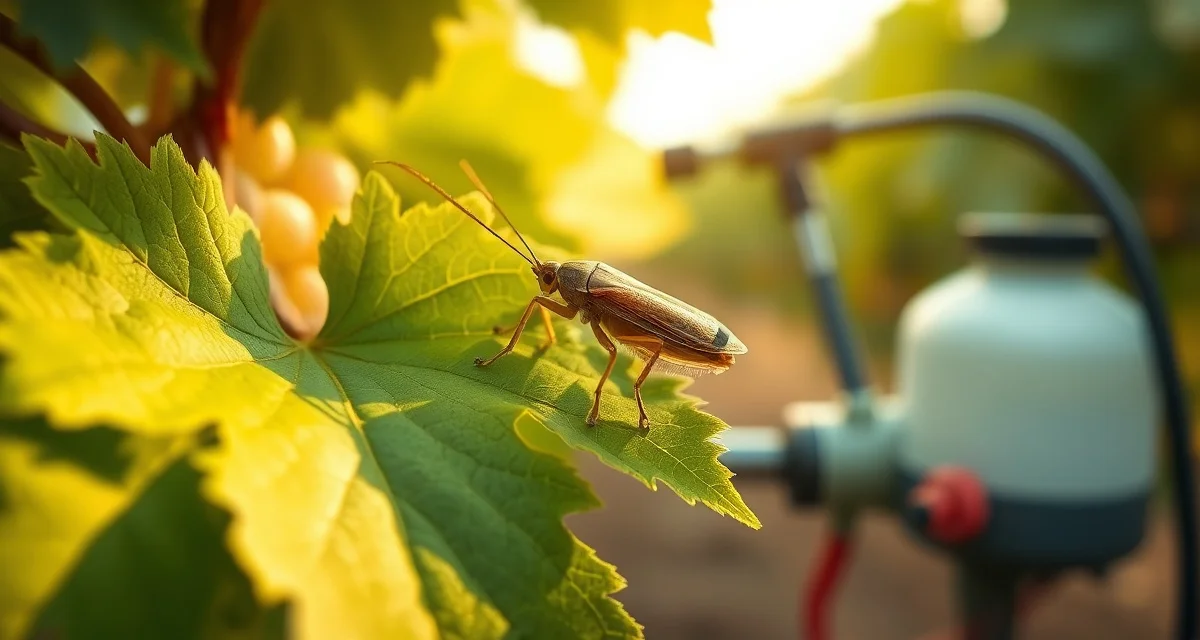
Spray Program Records for Vineyard Leafhopper Management
Western grape leafhopper (Erythroneura elegantula) is present in 70% of California vineyards and is the most commonly sprayed vineyard pest, yet most vineyard spray programs for leafhopper management are poorly documented and rarely threshold-based. Calendar applications to manage leafhopper are common even in operations that claim an IPM approach, and that gap creates both compliance exposure and unnecessary spray costs.
VitiScribe tracks leafhopper population thresholds and spray history in a single record, giving you the documentation to demonstrate that your leafhopper management is threshold-driven and properly rotated across IRAC groups.
TL;DR
- Western grape leafhopper is present in 70% of California vineyards and is the most commonly sprayed vineyard pest; most leafhopper programs are calendar-based rather than threshold-driven, creating both unnecessary spray costs and documentation gaps at sustainable certification audits
- UC IPM economic thresholds for western grape leafhopper are generation-specific: 15-20 nymphs per leaf (first generation), 15 nymphs per leaf (second generation), 20 nymphs per leaf (third generation); wine grape PCAs often use 20-25 nymphs per leaf because the concern is photosynthetic capacity, not cosmetic damage
- Third-generation applications near harvest require PHI management: Beleaf (Group 29, 7-day PHI) and Delegate (Group 5, 7-day PHI) are the primary late-season options; Platinum (Group 4A, 21-day PHI) must be applied 21+ days before harvest
- IRAC rotation across Groups 29, 23, and 5 (across generations) prevents selection pressure from repeated Group 4A (neonicotinoid) use, which has been associated with population shifts toward resistance in leafhopper populations in California vineyards
- Anagrus wasp natural enemy documentation -- scouting counts showing when you hit threshold and when you didn't, canopy management activities, habitat plantings -- is the non-chemical component that sustainable certification programs like Napa Green, SIP Certified, and Lodi Rules specifically evaluate
- VitiScribe's scouting module links leafhopper nymph counts to spray trigger alerts; initiating a spray record from an alert automatically connects the spray event to the scouting observation, creating the IPM rationale trail that distinguishes a threshold-based program from a calendar program at certification audit
Understanding Leafhopper Species and Identification
California vineyards host three leafhopper species: western grape leafhopper (E. elegantula), variegated grape leafhopper (E. variabilis), and Virginia creeper leafhopper (Erythroneura ziczac). All three are closely related, share similar biology, and cause stippling damage to leaves through cell content feeding. Species identification matters for management decisions because the natural enemy complex differs slightly between species.
Western grape leafhopper completes 2-3 generations per season in most California wine regions. First generation eggs hatch when grapevines reach approximately the 10-inch shoot stage, typically in late April to early May in Napa Valley. Second generation peaks in June to July. Third generation (where it occurs, primarily in warmer regions) peaks in August to September and overlaps with harvest, the generation with the highest compliance significance for PHI management.
Variegated grape leafhopper overwinters as adults rather than eggs, meaning its spring population dynamic differs from western grape leafhopper. It also has a broader host range including blackberry and Virginia creeper, which can serve as inoculum sources from adjacent areas.
UC IPM Economic Thresholds for Leafhopper
The UC IPM action threshold for western grape leafhopper varies by generation and vineyard context:
- First generation: 15-20 nymphs per leaf (counting 5 leaves per vine across 25 vines per block)
- Second generation: 15 nymphs per leaf
- Third generation: 20 nymphs per leaf (harvest proximity elevates PHI considerations)
These thresholds apply to table and wine grapes where cosmetic stippling damage or harvest contamination (leafhopper adults disturbed during harvest) is the primary concern. For wine grapes where stippling affects leaf photosynthesis rather than cosmetic appearance, the threshold can often be higher, some PCAs use 20-25 nymphs per leaf as a trigger in wine grape blocks with good canopy management.
Leafhopper population counts from scouting records in VitiScribe trigger threshold alerts at the UC IPM action level. When your count hits the threshold for a specific generation in a specific block, the system generates a spray decision alert linked to your spray log.
The vineyard IPM tracking system that connects scouting counts to spray decisions creates the documentation trail that separates an IPM program from a calendar program.
Product Selection and IRAC Rotation for Leafhopper
Registered insecticide options for grape leafhopper control in California include:
- Beleaf (flonicamid, IRAC Group 29): Excellent leafhopper activity, 7-day PHI in grapes. Works as a feeding inhibitor, so efficacy is delayed 3-5 days after application.
- Movento (spirotetramat, IRAC Group 23): Systemic, works through phloem transport. PHI 7 days. Particularly effective for immature nymphs in early generations.
- Platinum (thiamethoxam, IRAC Group 4A): Soil application for early-season nymph control, PHI 21 days, must be applied 21+ days before harvest.
- Delegate (spinetoram, IRAC Group 5): Broad-spectrum activity including leafhoppers, PHI 7 days. Rotate with other IRAC groups to preserve efficacy.
- Closer (sulfoxaflor, IRAC Group 4C): Good leafhopper activity, PHI 7 days. Use restrictions apply near bloom.
IRAC rotation is important for leafhopper because repeated use of neonicotinoids (Group 4A) has been associated with population shifts toward resistance. Rotating Beleaf (Group 29), Movento (Group 23), and Delegate (Group 5) across generations avoids this pressure.
Third-generation applications near harvest require careful PHI management. Beleaf at 7-day PHI and Delegate at 7-day PHI are your primary options for late-season control. Platinum's 21-day PHI eliminates it from consideration in the 3 weeks before harvest.
The leafhoppers vineyard management IPM framework includes canopy management as a non-chemical tool. Dense, shaded canopies favor leafhopper populations. Leaf removal in the fruit zone improves spray penetration and reduces the humid, shaded microclimate that leafhoppers prefer.
Biological Control as a Records Component
Anagrus wasps are the primary natural enemy of grape leafhopper, parasitizing leafhopper eggs. Anagrus populations benefit from overwintering habitat in adjacent French prune, blackberry, or rose plantings, and from reduced reliance on broad-spectrum insecticides that suppress beneficial insect populations.
If you're documenting biological control practices for a Napa Green, SIP Certified, or Lodi Rules verification, your leafhopper management records should include:
- Scouting counts showing when you hit threshold (and when you didn't)
- Documentation of Anagrus habitat plantings or preservation practices
- Notes on canopy management activities that reduce leafhopper pressure
This non-chemical documentation component is often missing from vineyard programs that focus solely on spray records.
Frequently Asked Questions
How do I document leafhopper spray applications in VitiScribe?
In VitiScribe, leafhopper spray applications are logged at the block level with the standard spray record fields plus the leafhopper-specific scouting data that justified the application. When you record a scouting count that hits the UC IPM threshold, VitiScribe generates a spray trigger alert. You initiate the spray record from that alert, which automatically links the spray event to the scouting observation. The record shows the leafhopper generation, the nymph count per leaf, the threshold you used, the product applied, application rate, PHI, and IRAC group. This creates a complete IPM audit trail for each leafhopper spray event.
What is the UC IPM economic threshold for western grape leafhopper?
The UC IPM economic threshold for western grape leafhopper (Erythroneura elegantula) is 15-20 nymphs per leaf, counted on 5 leaves per vine across a minimum 25-vine sample in the block. The threshold varies slightly by generation: first generation at 15-20 nymphs, second generation at 15 nymphs, and third generation at 20 nymphs. For wine grapes specifically, some PCAs use a higher threshold of 20-25 nymphs per leaf because the concern is photosynthetic capacity rather than cosmetic damage or harvest contamination. Your PCA should calibrate the threshold to your specific production goals and variety.
What products are registered for grape leafhopper control in California?
Products registered for grape leafhopper control in California include Beleaf (flonicamid, IRAC Group 29, 7-day PHI), Movento (spirotetramat, IRAC Group 23, 7-day PHI), Delegate (spinetoram, IRAC Group 5, 7-day PHI), Closer (sulfoxaflor, IRAC Group 4C, 7-day PHI), and Platinum (thiamethoxam, IRAC Group 4A, 21-day PHI). Near-harvest timing eliminates Platinum from consideration. A functional IRAC rotation cycles through Groups 29, 23, and 5 across generations to reduce selection pressure. Broad-spectrum organophosphates (Group 1B) are registered but are avoided in most modern IPM programs due to natural enemy disruption and longer REI values.
How do I document non-treatment decisions in my leafhopper records?
When you scout a leafhopper population and it is below threshold, document the count and the no-treatment decision in your scouting records -- "Block 3 Chardonnay, July 14: 8 nymphs/leaf second generation, below 15 nymph threshold, no treatment." This documentation is as important as your spray records for demonstrating a threshold-based IPM program. Sustainable certification auditors evaluating your leafhopper management want to see both your treatment decisions and your non-treatment decisions, with the threshold comparison that supported each choice. VitiScribe's scouting module provides a place to record below-threshold counts as formal scouting observations regardless of whether they trigger a spray alert.
What is Spray Program Records for Vineyard Leafhopper Management?
[FAQ_ANSWER_PLACEHOLDER: This answer needs to be generated by AI with specific data, examples, and actionable advice relevant to Spray Program Records for Vineyard Leafhopper Management. Target 50-150 words.]
How much does Spray Program Records for Vineyard Leafhopper Management cost?
[FAQ_ANSWER_PLACEHOLDER: This answer needs to be generated by AI with specific data, examples, and actionable advice relevant to Spray Program Records for Vineyard Leafhopper Management. Target 50-150 words.]
How does Spray Program Records for Vineyard Leafhopper Management work?
[FAQ_ANSWER_PLACEHOLDER: This answer needs to be generated by AI with specific data, examples, and actionable advice relevant to Spray Program Records for Vineyard Leafhopper Management. Target 50-150 words.]
What are the benefits of Spray Program Records for Vineyard Leafhopper Management?
[FAQ_ANSWER_PLACEHOLDER: This answer needs to be generated by AI with specific data, examples, and actionable advice relevant to Spray Program Records for Vineyard Leafhopper Management. Target 50-150 words.]
Who needs Spray Program Records for Vineyard Leafhopper Management?
[FAQ_ANSWER_PLACEHOLDER: This answer needs to be generated by AI with specific data, examples, and actionable advice relevant to Spray Program Records for Vineyard Leafhopper Management. Target 50-150 words.]
How long does Spray Program Records for Vineyard Leafhopper Management take?
[FAQ_ANSWER_PLACEHOLDER: This answer needs to be generated by AI with specific data, examples, and actionable advice relevant to Spray Program Records for Vineyard Leafhopper Management. Target 50-150 words.]
What should I look for when choosing Spray Program Records for Vineyard Leafhopper Management?
[FAQ_ANSWER_PLACEHOLDER: This answer needs to be generated by AI with specific data, examples, and actionable advice relevant to Spray Program Records for Vineyard Leafhopper Management. Target 50-150 words.]
Is Spray Program Records for Vineyard Leafhopper Management worth it?
[FAQ_ANSWER_PLACEHOLDER: This answer needs to be generated by AI with specific data, examples, and actionable advice relevant to Spray Program Records for Vineyard Leafhopper Management. Target 50-150 words.]
Related Articles
- Vineyard Spray Program Management: Plan, Log, and Comply in One Place
- Vineyard Spray Log Reporting Dashboard: Turn Your Records into Management Intelligence
Sources
- UC IPM Program -- Grape Leafhopper Management Guidelines
- UC Cooperative Extension Viticulture
- IRAC (Insecticide Resistance Action Committee)
- California Department of Pesticide Regulation (CDPR)
- American Vineyard Foundation
Get Started with VitiScribe
Leafhopper documentation that shows threshold-based decision-making -- nymph counts linked to spray trigger alerts, IRAC group rotation by generation, non-treatment scouting records alongside spray records -- is what separates an IPM program from a calendar program at sustainable certification audit. VitiScribe's scouting module connects leafhopper counts to spray decisions automatically, creating the documentation trail without additional steps. Try VitiScribe free and log your first threshold-based leafhopper spray record today.