Vineyard Management Software for Finger Lakes
Finger Lakes is New York's largest wine region with over 100 wineries. The cold-climate viticulture of the Finger Lakes region creates IPM challenges that California-focused platforms simply don't address, grape berry moth timing calibrated to New York degree-day accumulations, cold injury monitoring, and wet-season disease pressure that's fundamentally different from western wine regions.
TL;DR
- Grape berry moth completes 2-3 generations per season in the Finger Lakes -- degree-day accumulation models must be calibrated to Finger Lakes temperatures, not California averages, or spray timing will be wrong
- Downy mildew is a primary disease concern in the Finger Lakes in a way it is not in California; wet spring conditions create primary infection opportunities from pre-bloom through early summer alongside powdery mildew pressure
- NY DEC requires 3-year record retention for pesticide applications -- longer than California DPR's 2-year minimum -- and Finger Lakes operations have additional water body buffer documentation requirements given proximity to the lakes
- PHI management is more critical in the Finger Lakes than in California because harvest windows are compressed by early fall frost risk -- late-season spray decisions that are routine in longer California windows become complex when harvest must move up
- Botrytis is a notable late-season risk for Riesling's tight cluster structure in wet fall conditions typical of the Finger Lakes
- VitiScribe pricing is $49-179/month with same-day setup; the platform includes NY DEC compliance fields, Finger Lakes regional weather integration, and grape berry moth degree-day tracking calibrated to New York conditions
VitiScribe is the only vineyard management platform with Finger Lakes weather integration and NY DEC-specific compliance fields built in.
Why Finger Lakes Viticulture Requires Different Software
The Finger Lakes is unlike any western wine region. Seneca, Cayuga, Keuka, and Canandaigua Lakes moderate temperatures enough to allow wine grape production, but the cold-climate conditions create management challenges that software designed for California simply doesn't address.
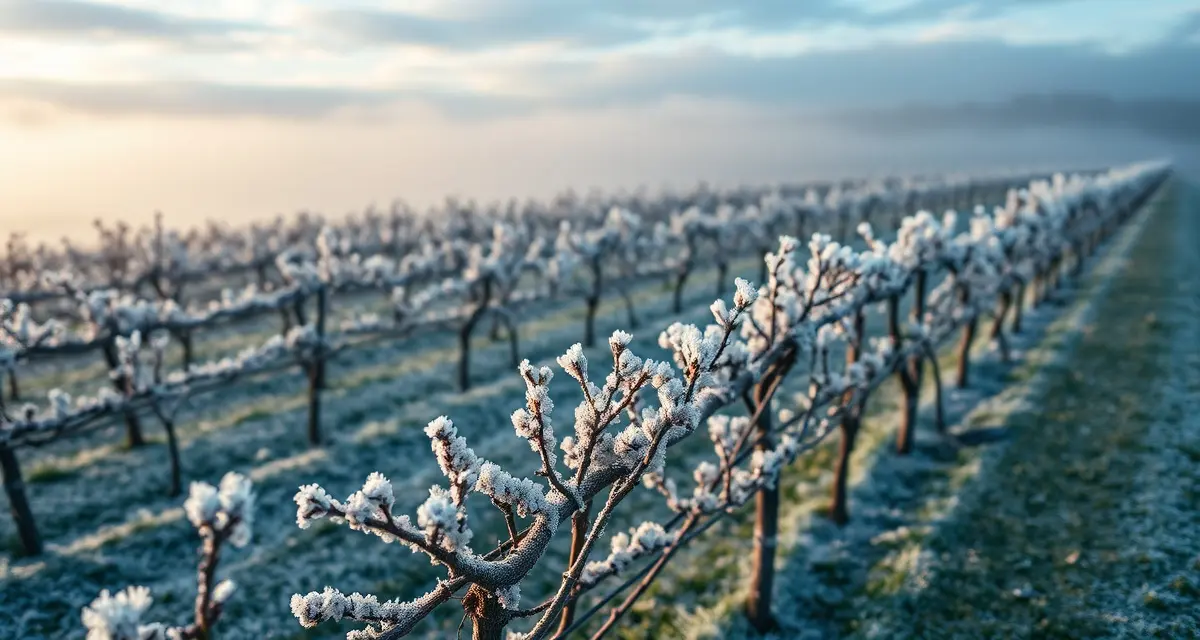
Cold winters: Winter injury is a real management concern. Vine hardiness ratings vary by variety, Riesling and Chardonnay handle cold better than more temperature-sensitive varieties. Monitoring cold injury after winter events affects your vine health records and can inform disease susceptibility decisions the following season.
Wet springs and summers: Finger Lakes summers are humid in a way that California summers are not. Downy mildew, powdery mildew, and botrytis all require active management through much of the growing season.
Grape berry moth timing: Grape berry moth is one of the most economically notable pests in Finger Lakes vineyards. Critically, the degree-day accumulations that predict grape berry moth flight activity in New York's cooler climate are meaningfully different from western US models. Using a California-calibrated grape berry moth model in the Finger Lakes will give you wrong timing.
Variable harvest windows: The narrow harvest windows of the Finger Lakes, compressed by the risk of early fall frost, make PHI management more critical. Late-season spray decisions that would be routine in a longer California harvest window can become complex when frost is forecast and harvest needs to move up.
Finger Lakes IPM Priorities
Grape Berry Moth
Grape berry moth is the Finger Lakes' most distinctive pest challenge compared to western wine regions. In New York, grape berry moth typically completes 2-3 generations per season. Management timing is based on degree-day accumulations specific to the cooler climate.
The first generation targets flower clusters during bloom. Second generation attacks green berries. Third generation is the harvest-threatening generation that drives the most economic damage and is the hardest to manage with PHI constraints.
Degree-day models calibrated to Finger Lakes temperatures are available from Cornell Cooperative Extension. Using these models requires weather data specific to your location, not California averages.
See the grape berry moth degree-day model guide for New York-specific degree-day thresholds and spray timing.
Powdery Mildew
Powdery mildew is a primary disease concern throughout the Finger Lakes. Riesling and Chardonnay, the region's dominant varieties, both have meaningful susceptibility to powdery mildew. Programs typically follow Cornell's risk models based on temperature and leaf wetness.
Downy Mildew
Downy mildew is more notable in Finger Lakes than in California wine regions. Wet spring conditions create primary infection opportunities throughout pre-bloom and bloom. Programs need to address downy mildew alongside powdery mildew, using separate FRAC groups.
Botrytis
Botrytis is a notable late-season concern, especially for Riesling's tight cluster structure. In wet fall conditions, which the Finger Lakes experiences regularly, botrytis can move quickly. Late-season programs need to account for PHI compression as harvest windows approach.
New York DEC Compliance for Finger Lakes Operations
New York pesticide reporting is managed by the NY Department of Environmental Conservation (DEC). Key requirements for Finger Lakes vineyard managers:
- NY commercial pesticide applicator license required for restricted-use materials
- Records retained for 3 years minimum
- Specific water body buffer documentation for applications near the Finger Lakes themselves
- WPS compliance including central posting and handler training records
VitiScribe includes NY DEC compliance fields, including New York applicator license number, water body buffer documentation, and NY-formatted spray records. One-click audit export generates DEC-compatible records.
For detailed New York DEC requirements, see the New York DEC vineyard pesticide records guide. For broader New York wine country management, see the New York vineyard management software guide.
Finger Lakes Vineyard Software Options
| Platform | NY DEC compliance | FLX weather/degree-days | GBM support | Pricing shown | Setup time |
|---|---|---|---|---|---|
| VitiScribe | Built-in | Yes | Yes | Yes ($49-179/mo) | Same day |
| eVineyard | No | No | No | No | Demo required |
| Vintrace | Limited | No | No | No | Multiple days |
| InnoVint | Limited | No | No | No | ~2 weeks |
| AgCode | No | No | No | No | Weeks |
Finger Lakes Organic and Sustainable Programs
The Finger Lakes has a meaningful sustainable and organic vineyard sector. Cornell's Integrated Crop and Pest Management program provides notable extension support for Finger Lakes growers. Many operations participate in the New York Sustainable Winegrowing certification.
Organic programs in the Finger Lakes face particular challenges with downy mildew management. Copper is the primary organic downy mildew material, and copper rate management under NOP requirements needs to be tracked carefully over multiple seasons.
Related Articles
FAQ
What vineyard management software works for Finger Lakes wineries?
VitiScribe is the strongest fit for Finger Lakes wineries. It includes NY DEC compliance fields, Finger Lakes regional weather integration for degree-day accumulation and spray window alerts, and IPM tools designed for cold-climate challenges including grape berry moth management. No other platform provides New York-specific compliance support or Finger Lakes weather data.
How does VitiScribe handle cold-climate IPM in the Finger Lakes?
VitiScribe uses Finger Lakes regional weather data for degree-day accumulation tracking (relevant to grape berry moth timing) and spray window alerts calibrated to local conditions. Block-level records capture cold injury history alongside pest pressure data, giving you a more complete picture of vine health and susceptibility over multiple seasons. Cornell Cooperative Extension IPM guidelines for the Finger Lakes are incorporated into the platform's threshold and timing recommendations.
What compliance requirements are unique to Finger Lakes vineyards?
Beyond standard DEC requirements, Finger Lakes vineyards have specific water body buffer documentation requirements given the proximity to the lakes themselves. Some pesticide labels have buffer restrictions near the Finger Lakes watersheds. NY DEC's 3-year record retention is longer than most states. And the degree-day-based management models for grape berry moth require local weather data, not generic averages, to be accurate for Finger Lakes conditions.
How does botrytis management differ in the Finger Lakes compared to western regions?
The Finger Lakes' humid fall conditions and Riesling's tight cluster structure create a botrytis environment that is more consistently severe than most California wine regions. Late-season botrytis programs in the Finger Lakes need to plan for PHI constraints more carefully -- with harvest windows compressed by frost risk, the final 1-2 botrytis applications before harvest must have PHIs that allow entry before frost forces an early pick. VitiScribe's PHI tracking by block flags when a scheduled botrytis application would conflict with your target harvest date, giving you time to select a shorter-PHI alternative before the application window arrives.
Can VitiScribe track cold injury events that affect subsequent spray program decisions?
Yes. VitiScribe's block scouting records can log cold injury observations following winter temperature events, including percent of primary buds affected and vine health assessment by block. These records create a documented baseline for the following season's disease susceptibility planning -- blocks with high primary bud loss may have increased secondary shoot growth, which can create different canopy density and microclimate conditions affecting powdery mildew and botrytis risk. Cross-referencing your cold injury records with the following season's disease incidence data in VitiScribe shows whether the pattern holds in your vineyard.
What is Vineyard Management Software for Finger Lakes?
[FAQ_ANSWER_PLACEHOLDER: This answer needs to be generated by AI with specific data, examples, and actionable advice relevant to Vineyard Management Software for Finger Lakes. Target 50-150 words.]
How much does Vineyard Management Software for Finger Lakes cost?
[FAQ_ANSWER_PLACEHOLDER: This answer needs to be generated by AI with specific data, examples, and actionable advice relevant to Vineyard Management Software for Finger Lakes. Target 50-150 words.]
How does Vineyard Management Software for Finger Lakes work?
[FAQ_ANSWER_PLACEHOLDER: This answer needs to be generated by AI with specific data, examples, and actionable advice relevant to Vineyard Management Software for Finger Lakes. Target 50-150 words.]
Sources
- UC Cooperative Extension Viticulture
- Wine Institute
- American Vineyard Foundation
- American Society for Enology and Viticulture (ASEV)
Get Started with VitiScribe
Finger Lakes vineyard management requires software that understands New York DEC compliance, grape berry moth degree-day timing calibrated to cold-climate conditions, and PHI management under compressed harvest windows. VitiScribe's NY DEC compliance fields, Finger Lakes regional weather integration, and block-level PHI tracking give Finger Lakes operations the tools to manage both compliance and IPM decisions effectively. Try VitiScribe free and log your first NY DEC-compliant spray record with Finger Lakes weather data today.