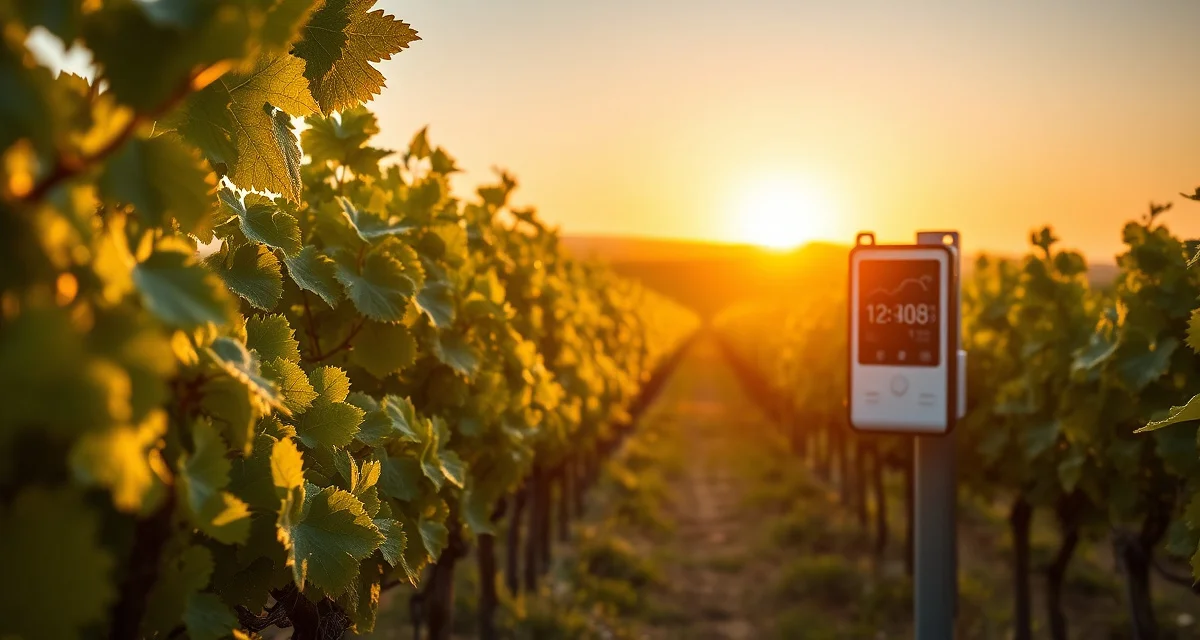
Using Weather Data for Vineyard Spray Windows
Applications made in unfavorable conditions -- wind above threshold, rainfall during the application window, temperature extremes -- can result in Worker Protection Standard violations or poor product efficacy. Both outcomes cost more than taking the time to identify the right window. VitiScribe's weather-triggered spray windows replace manual weather checking before each application, bringing your local station data directly into the decision framework.
This guide covers what weather parameters matter for spray window selection, what thresholds matter legally versus agronomically, and how to build weather awareness into your spray program without spending 20 minutes checking forecasts before every application.
TL;DR
- Applications above the labeled wind speed limit are FIFRA violations -- most agricultural pesticide labels specify a maximum of 10-15 mph, and some herbicide labels are more restrictive; document wind speed and direction in every spray record as protection against drift complaints
- Sulfur has the tightest temperature constraint of any common vineyard material: phytotoxic above 90°F and significantly less effective below 60°F; the practical sulfur window is 60-90°F, and that window shrinks further in high-humidity conditions
- Rain-fast periods differ by product class: DMI and SDHI fungicides are typically rain-fast within 1-2 hours; copper and contact materials require 30 minutes to a few hours depending on the label; if rain falls within the rain-fast period, plan a reapplication rather than assuming coverage
- Post-rain infection events change spray priority: downy mildew 10-10-24 criteria and black rot infection models are triggered by rain and temperature combinations; monitor conditions and be ready to apply within 24-48 hours of criteria being met in high-pressure seasons
- VitiScribe connects to local weather station networks to auto-populate temperature, wind speed, and humidity fields in spray records at the time of logging -- more accurate than manual weather notes and eliminates a separate field-check step
- The spray window planner shows 7-day forecast windows as favorable, borderline, or unfavorable by product category, with the specific limiting parameter identified when conditions are borderline
Why Weather Conditions Matter for Spray Timing
Spray application timing affects three distinct outcomes: product efficacy, applicator and worker safety compliance, and off-target drift or runoff risk. These aren't always optimized by the same conditions.
Efficacy: Most fungicides and insecticides have optimal temperature ranges for activity and coverage. Systemic fungicides that move through the plant's vascular system are absorbed more effectively during active transpiration -- which is typically during warming morning hours, not during heat stress at midday. Sulfur at temperatures above 90°F can cause phytotoxicity. Dormant oils applied too close to budbreak or in cold, wet conditions can damage emerging tissue.
Compliance and safety: Worker Protection Standard (WPS) regulations require that applications comply with the pesticide label's environmental conditions requirements. Many labels specify maximum wind speed at application. REI (re-entry interval) is based on post-application conditions, not just time elapsed. In California, CDFA and DPR regulations have specific requirements for applications near waterways during rain events.
Off-target risk: Pesticide drift and runoff are regulatory concerns and neighboring property concerns. Wind speed and direction at the time of application determine how far spray moves beyond the target area. Rain within hours of application washes materials off foliage before they're absorbed, reducing efficacy and creating runoff risk.
Temperature Windows for Key Products
Sulfur: The most widely used powdery mildew material in US vineyards has a meaningful temperature constraint. Sulfur is phytotoxic when applied in temperatures above 90°F, and the risk increases with humidity. Avoid sulfur applications when temperatures are forecast to exceed 90°F within 24 hours of application. At the other end, sulfur is less effective below 60°F because its volatilization (the mechanism that creates the sulfur vapor toxic to mildew) slows substantially in cool conditions. The practical sulfur window is 60-90°F.
DMI fungicides (Group 3): DMIs like Rally and Elite are absorbed systemically and work best during active plant growth. Apply during warm periods with active transpiration -- morning hours before peak heat work well. Avoid applications during rain or high humidity events where label washoff warnings apply.
QoI and SDHI fungicides: Systemic materials generally have less strict temperature sensitivity than sulfur, but apply at moderate temperatures during transpiration periods for best uptake.
Copper (downy mildew programs): Copper is a contact material that needs to be on the plant surface before rain events rather than washed off by them. Applications shortly before a forecast rain event (within 4-6 hours) may not provide adequate protection if the product hasn't dried on the foliage.
Wind Speed: Compliance vs. Agronomic Thresholds
Wind speed is both a compliance issue and a practical efficacy issue.
Compliance threshold: Worker Protection Standard regulations require applicators to follow pesticide label directions, which for many materials include a "do not apply in winds exceeding X mph" statement. Most agricultural pesticide labels specify a maximum wind speed of 10-15 mph. Some herbicide labels (relevant if you use vineyard floor herbicides) are more restrictive. If you apply above the labeled wind speed and the label specifies a maximum, you're in violation of the label -- which is a violation of FIFRA.
Agronomic threshold: Spray coverage at wind speeds above 5-7 mph begins to show reduced canopy penetration and increased droplet drift, even if the technical wind speed limit hasn't been exceeded. Applications in 8-10 mph winds still comply with many labels but provide reduced coverage compared to calm conditions.
Practical guidance: Applications at less than 5 mph in calm or light conditions provide best coverage. Applications at 5-10 mph are generally acceptable but worth documenting wind conditions in your spray records. Applications above 10 mph warrant a label check for your specific product -- many labels prohibit this range.
Document wind speed and direction in every spray record. This protects you if a drift complaint is ever filed by a neighbor.
Spray Intervals After Rain Events
Rainfall affects spray timing decisions in two ways: it can compromise recently applied products (washoff), and it can trigger disease infection events that change your response priority.
Post-rain reapplication: Most fungicide labels include a rain-fast period -- the time after application during which rainfall will wash the product off before it's absorbed. DMI and SDHI fungicides are typically rain-fast within 1-2 hours after application. Contact materials like copper and mancozeb are rain-fast within 30 minutes to a few hours depending on the label. Sulfur is generally less sensitive to washoff. If notable rainfall occurs within the rain-fast period after your application, plan a reapplication rather than assuming coverage was adequate.
Post-rain infection risk: For diseases with infection models based on rainfall and temperature -- particularly downy mildew (the 10-10-24 rule) and black rot -- a rain event can trigger a disease infection period that warrants a protective application. In Oregon and New York during spring, this means monitoring rain events and temperature and being prepared to apply within 24-48 hours of conditions meeting infection criteria.
How VitiScribe Weather Integration Works
VitiScribe connects to local weather station networks to pull current and forecast data for your vineyard location. Rather than checking a general weather app before each application, you see your vineyard's current conditions -- temperature, wind speed and direction, relative humidity, and rainfall -- alongside your upcoming spray schedule.
The spray window planner in VitiScribe shows the next 7-day forecast with spray window assessments: conditions that are favorable, borderline, or unfavorable for applications. When conditions are borderline, the system shows which parameter is the limiting factor (temperature too high, wind threshold borderline, etc.) so you can decide whether to wait or proceed.
Your weather station data auto-populates your spray records when you log an application -- wind speed, temperature, and humidity are captured from your station rather than requiring manual entry. This both saves time and creates a more accurate record than a manual weather note.
For disease pressure models (powdery mildew infection risk, downy mildew 10-10-24 criteria), VitiScribe's alerts notify you when local conditions have crossed infection thresholds, informing both your application timing and your IPM rationale documentation. Complete IPM program planning ties weather-based decisions to your broader program design.
Vineyard spray program design covers how weather-based timing decisions integrate into a season-long fungicide and insecticide rotation calendar.
Frequently Asked Questions
What weather conditions are ideal for vineyard fungicide applications?
The ideal conditions for most vineyard fungicide applications are: temperatures between 60-85°F (avoid sulfur above 90°F), wind speed below 5-7 mph, relative humidity between 40-80%, no rain forecast within 2-4 hours of application (check your specific product's rain-fast period), and conditions during active vine transpiration (typically morning hours after temperatures warm above 60°F but before peak midday heat). Conditions for copper applications are slightly different -- copper should be applied before forecast rain events, not after, since it works as a surface protectant that needs to be present before infection conditions develop.
What wind speed makes vineyard spraying unsafe or legally problematic?
Most pesticide labels specify a maximum wind speed of 10-15 mph for application. Applying above the labeled maximum is a FIFRA violation. Above 10 mph, drift risk increases substantially and canopy coverage quality drops. Some labels -- particularly for certain herbicides used in vineyard floor management -- have lower maximum wind speed requirements. Check your specific product label. For practical coverage quality, applications above 7-8 mph show reduced canopy penetration in dense canopy systems even if the labeled maximum hasn't been exceeded. Document wind speed and direction in every spray record as protection against drift complaints.
How does VitiScribe use local weather to suggest optimal spray windows?
VitiScribe connects to weather station networks linked to your vineyard location, pulling current conditions and 7-day forecast data. The spray window planner displays upcoming forecast windows color-coded as favorable, borderline, or unfavorable based on temperature, wind speed, humidity, and precipitation probability for each product category. When you log an application, weather data from your local station auto-populates the temperature, wind, and humidity fields in your spray record. For disease pressure models, VitiScribe alerts you when conditions at your vineyard location have met infection criteria (powdery mildew infection conditions, downy mildew 10-10-24 events) so that spray timing decisions reflect what's actually happening at your site.
How should weather-based application decisions be documented in spray records for regulatory purposes?
When weather conditions triggered a spray decision -- for example, applying copper before a forecast rain event or delaying a sulfur application because temperatures exceeded 90°F -- that rationale should appear in the application notes field of your spray record. "Applied copper preventively before forecast 0.5 inch rain event; foliage dry, product had 6 hours to dry before onset" documents that the decision was deliberate and weather-informed. For organic certification, weather-based application rationale is specifically required; for conventional compliance, it's not mandatory but creates a defensible record if efficacy or drift complaints arise later. VitiScribe's application rationale field is available in all spray records and pre-populates with the weather conditions data captured at logging time.
What is Using Weather Data for Vineyard Spray Windows?
[FAQ_ANSWER_PLACEHOLDER: This answer needs to be generated by AI with specific data, examples, and actionable advice relevant to Using Weather Data for Vineyard Spray Windows. Target 50-150 words.]
How much does Using Weather Data for Vineyard Spray Windows cost?
[FAQ_ANSWER_PLACEHOLDER: This answer needs to be generated by AI with specific data, examples, and actionable advice relevant to Using Weather Data for Vineyard Spray Windows. Target 50-150 words.]
How does Using Weather Data for Vineyard Spray Windows work?
[FAQ_ANSWER_PLACEHOLDER: This answer needs to be generated by AI with specific data, examples, and actionable advice relevant to Using Weather Data for Vineyard Spray Windows. Target 50-150 words.]
What are the benefits of Using Weather Data for Vineyard Spray Windows?
[FAQ_ANSWER_PLACEHOLDER: This answer needs to be generated by AI with specific data, examples, and actionable advice relevant to Using Weather Data for Vineyard Spray Windows. Target 50-150 words.]
Who needs Using Weather Data for Vineyard Spray Windows?
[FAQ_ANSWER_PLACEHOLDER: This answer needs to be generated by AI with specific data, examples, and actionable advice relevant to Using Weather Data for Vineyard Spray Windows. Target 50-150 words.]
How long does Using Weather Data for Vineyard Spray Windows take?
[FAQ_ANSWER_PLACEHOLDER: This answer needs to be generated by AI with specific data, examples, and actionable advice relevant to Using Weather Data for Vineyard Spray Windows. Target 50-150 words.]
What should I look for when choosing Using Weather Data for Vineyard Spray Windows?
[FAQ_ANSWER_PLACEHOLDER: This answer needs to be generated by AI with specific data, examples, and actionable advice relevant to Using Weather Data for Vineyard Spray Windows. Target 50-150 words.]
Is Using Weather Data for Vineyard Spray Windows worth it?
[FAQ_ANSWER_PLACEHOLDER: This answer needs to be generated by AI with specific data, examples, and actionable advice relevant to Using Weather Data for Vineyard Spray Windows. Target 50-150 words.]
Related Articles
Sources
- USDA Environmental Protection Agency (EPA) -- FIFRA label requirements
- California Department of Pesticide Regulation (CDPR)
- UC Cooperative Extension Viticulture -- Disease Management
- USDA Agricultural Research Service -- Pesticide Application Technology
- National Weather Service -- Agricultural Weather Products
Get Started with VitiScribe
Weather conditions at the time of application affect compliance, efficacy, and drift risk -- and documenting them manually is the step most often skipped in paper and spreadsheet spray logs. VitiScribe auto-populates temperature, wind speed, and humidity from your local weather station when you log an application, and the spray window planner shows 7-day forecasts color-coded by application suitability. Try VitiScribe free and build weather-aware spray decisions into your compliance records from day one.