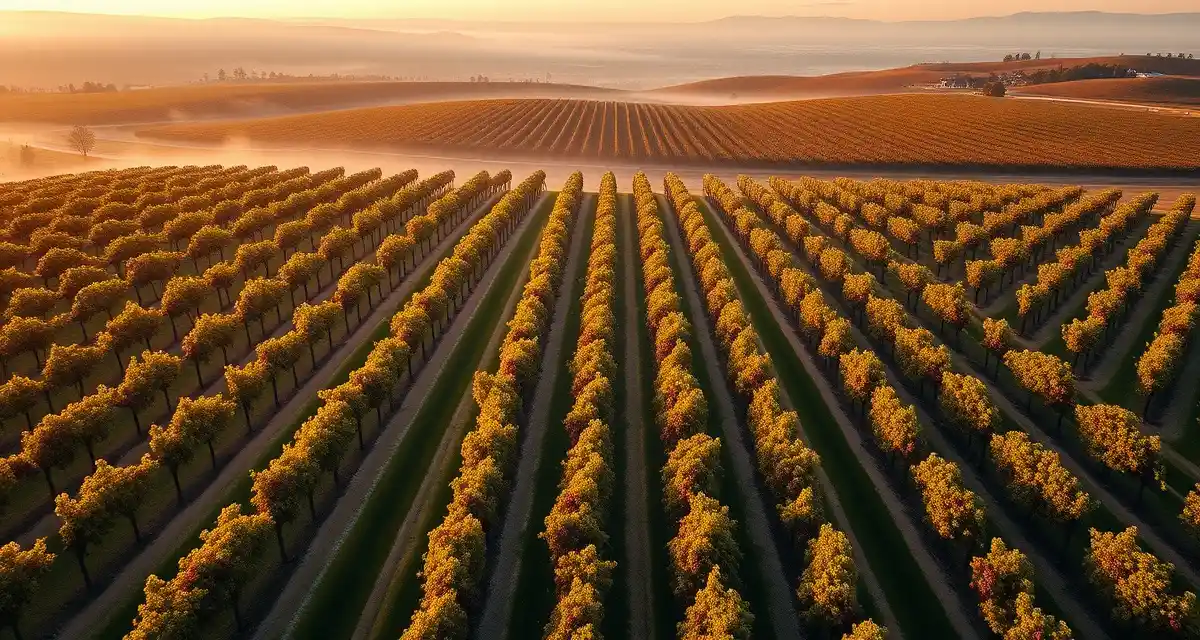
Vineyard Management Software for Walla Walla
Walla Walla Valley AVA spans both Washington and Oregon -- creating dual-state compliance requirements that vineyard managers farming on both sides of the border have to navigate simultaneously. Walla Walla's premium red variety focus requires precise spray record compliance for direct-to-winery contracts, and the AVA's geographic complexity (Washington-side blocks under WSDA; Oregon-side blocks under ODA) means that a single vineyard operation may need records formatted for two different state inspection systems.
VitiScribe handles both WSDA and ODA compliance for Walla Walla vineyards automatically based on block location, generating the correct state-formatted records for each block without requiring manual differentiation.
TL;DR
- Walla Walla Valley AVA crosses the Washington-Oregon state line -- Washington-side blocks fall under WSDA compliance and Oregon-side blocks under ODA, which require different record formats, different retention periods (ODA requires 5 years vs. WSDA's standard), and separately credentialed applicators
- The same product applied on the same day to blocks on both sides of the border needs records that satisfy each state's inspection system -- a software system that differentiates at the block level, not the operation level, is required
- Walla Walla's premium red variety reputation (Cabernet Sauvignon, Merlot, Syrah) drives winery buyer requirements for PHI clearance documentation -- spray records for Walla Walla blocks must be detailed enough to support pre-harvest compliance certification
- Grape berry moth is established in Walla Walla on both sides of the border and requires degree-day-based management with records tracking DD50 accumulation against application timing
- Botrytis pressure is more notable in Walla Walla than in the Columbia Valley core, particularly for Oregon-side blocks and in wet September years; premium red variety programs with dense cluster architecture need veraison and pre-harvest botrytis applications with PHI clearance documentation
- VitiScribe assigns state jurisdiction at the block level during setup, generating WSDA-formatted records for Washington blocks and ODA-formatted records for Oregon blocks from the same spray entry workflow
Walla Walla's Unique Position in Pacific Northwest Viticulture
The Walla Walla Valley AVA is one of the Pacific Northwest's most recognized appellations, with a reputation built on Cabernet Sauvignon, Merlot, Syrah, and Cabernet Franc from both sides of the state line. The AVA itself crosses the Washington-Oregon border, with most winery activity on the Washington side (in Walla Walla County) and vineyard acreage on both sides.
Washington-side characteristics: Semi-arid climate with hot summers and cold winters. Warm Rocks area east of Walla Walla city and the Milton-Freewater corridor south toward the Oregon border are primary production areas. Powdery mildew is the primary disease concern.
Oregon-side characteristics: The Blue Mountains slope provides some Oregon-side Walla Walla blocks with modestly higher elevation and somewhat wetter conditions than core Washington Columbia Valley. Oregon-side blocks also fall under ODA rather than WSDA compliance jurisdiction. Botrytis pressure is somewhat higher on the Oregon side than in the semi-arid Columbia Valley core.
Primary Disease Pressures in Walla Walla
Powdery mildew: The dominant disease management challenge on the Washington side, consistent with the Columbia Valley program. Programs need 7-10 day intervals from budbreak through bloom and summer growing season. Bloom-period management is non-negotiable -- Walla Walla's premium red variety programs can't afford cluster powdery mildew infections.
Botrytis: More of a concern in Walla Walla than in the Columbia Valley core, particularly for Oregon-side blocks and in years with wet September or October conditions. Premium red varieties like Cabernet Sauvignon and Syrah with dense cluster architecture face elevated botrytis risk at veraison and harvest.
Downy mildew: Lower priority than in Oregon's Willamette Valley, but Oregon-side Walla Walla blocks may see more downy mildew pressure than Washington-side blocks in wet spring years.
Grape berry moth: Established in Walla Walla vineyards on both sides of the border. Three-generation degree day-based management.
Spider mites: July-August peak pressure period consistent with other Columbia Valley wine regions.
Varieties in Walla Walla Vineyards
Walla Walla's reputation is built on premium red varieties:
- Red: Cabernet Sauvignon, Merlot, Cabernet Franc, Syrah, Sangiovese, Petit Verdot, Malbec
- White: Chardonnay, Viognier (limited production)
The focus on premium red varieties with high market value makes precision compliance record keeping especially important -- winery buyers in this segment often require PHI clearance documentation and sustainable certification support.
The Dual-State Compliance Challenge
Walla Walla vineyards with blocks on both sides of the Oregon-Washington state line face two separate compliance systems:
WSDA (Washington): Washington-side blocks require pesticide records meeting WSDA format requirements, with records maintained per WSDA's retention requirements. Commercial pesticide applicator license numbers must be Washington-state certified.
ODA (Oregon): Oregon-side blocks require records meeting ODA format requirements, with 5-year retention (longer than WSDA's standard) and Oregon Certified Pesticide Applicator numbers for restricted-use applications.
If you're applying the same product on the same day to blocks on both sides of the border, you need records in each state's required format for the respective blocks. An applicator applying pesticides on Oregon-side blocks must hold Oregon certification, not just Washington certification.
VitiScribe handles this by associating each block with its state jurisdiction at setup. When you enter a spray record for an Oregon-side block, the system generates an ODA-formatted record with 5-year retention. When you enter a record for a Washington-side block, it generates a WSDA-formatted record. The dual-state complexity is handled at the system level rather than requiring you to manually differentiate records.
Building a Walla Walla Spray Program
Dormant (January-February): Dormant oil for mite control. Pruning wound protection where trunk disease history exists. Pheromone trap setup planning.
Budbreak (March-April): Powdery mildew program start at 2-4 inch shoot growth. GBM pheromone trap deployment at tight cluster.
Bloom (May-June): 7-day powdery mildew intervals. High-efficacy systemics at bloom. Botrytis first application at 50% capfall in premium red variety blocks. GBM first generation at 100-150 DD50. Bee protection.
Berry development through veraison (July-August): Powdery mildew 10-14 day intervals if early-season pressure is controlled. Spider mite monitoring. GBM second generation at 750-850 DD50. Botrytis veraison application in wet years and Oregon-side blocks.
Harvest (September-October): PHI management dominant. 0-day PHI materials for powdery mildew. Botrytis management at 7-day intervals for premium programs. Harvest clearance documentation for both state formats.
VitiScribe for Walla Walla Operations
Washington State vineyard management software and WSDA compliance documentation cover the Washington compliance framework that applies to most Walla Walla blocks. For Oregon-side blocks, VitiScribe generates ODA-formatted records with the 5-year retention requirement flagged.
Block-level records distinguish Washington from Oregon jurisdiction automatically based on block setup. Premium red variety programs in Walla Walla benefit from VitiScribe's PHI clearance reporting, which is shared with winery buyers who require pre-harvest documentation as part of contract compliance.
Frequently Asked Questions
What vineyard management software works for Walla Walla AVA operations?
Walla Walla operations need software that handles dual-state compliance -- WSDA for Washington-side blocks and ODA for Oregon-side blocks -- without requiring manual record duplication or reformatting. Most vineyard software treats Washington and Oregon as separate state options rather than as simultaneous requirements for the same operation. VitiScribe's block-level jurisdiction assignment generates the correct state-formatted records for each block automatically. The premium red variety focus in Walla Walla also requires strong PHI clearance reporting for winery buyer compliance documentation.
How does Walla Walla's dual-state AVA affect spray record compliance?
Any vineyard blocks located on the Oregon side of the Walla Walla Valley AVA fall under ODA compliance requirements, which differ from WSDA in record format, retention period (ODA requires 5 years vs. WSDA's standard requirement), and the Oregon Certified Pesticide Applicator license requirements for restricted-use applications. Applicators working on Oregon-side blocks must hold Oregon certification. The same product applied on the same day to Washington and Oregon blocks needs records that satisfy each state's inspection system. This dual-state complexity is unusual in US viticulture and requires a software system that handles state-level record differentiation at the block level.
How does VitiScribe handle both WSDA and ODA compliance for Walla Walla vineyards?
Each vineyard block in VitiScribe is assigned a state jurisdiction during setup -- Washington blocks are tagged to WSDA and Oregon blocks to ODA. When you log a spray application for any block, the system generates a compliance record in the appropriate state format automatically. Washington-side records include WSDA-required fields and WSDA retention tracking. Oregon-side records include ODA-required fields and 5-year retention flagging. The dual-state differentiation happens at the record level, not the operation level, so a single spray entry workflow serves operations with blocks in both states.
How should Walla Walla vineyard operators handle applicator licensing for cross-state-line operations?
Any applicator making restricted-use pesticide applications must hold certification in the state where the application occurs, not just in their home state. An applicator based in Washington who also applies to Oregon-side Walla Walla blocks must hold an Oregon Certified Pesticide Applicator credential in addition to their WSDA license. The applicator certification number on each spray record must match the state where that block is located. VitiScribe stores applicator credentials by state and validates that the license number entered for an Oregon-side block is an Oregon credential, preventing the error of applying a Washington license number to Oregon-side records.
What is Vineyard Management Software for Walla Walla?
[FAQ_ANSWER_PLACEHOLDER: This answer needs to be generated by AI with specific data, examples, and actionable advice relevant to Vineyard Management Software for Walla Walla. Target 50-150 words.]
How much does Vineyard Management Software for Walla Walla cost?
[FAQ_ANSWER_PLACEHOLDER: This answer needs to be generated by AI with specific data, examples, and actionable advice relevant to Vineyard Management Software for Walla Walla. Target 50-150 words.]
How does Vineyard Management Software for Walla Walla work?
[FAQ_ANSWER_PLACEHOLDER: This answer needs to be generated by AI with specific data, examples, and actionable advice relevant to Vineyard Management Software for Walla Walla. Target 50-150 words.]
What are the benefits of Vineyard Management Software for Walla Walla?
[FAQ_ANSWER_PLACEHOLDER: This answer needs to be generated by AI with specific data, examples, and actionable advice relevant to Vineyard Management Software for Walla Walla. Target 50-150 words.]
Who needs Vineyard Management Software for Walla Walla?
[FAQ_ANSWER_PLACEHOLDER: This answer needs to be generated by AI with specific data, examples, and actionable advice relevant to Vineyard Management Software for Walla Walla. Target 50-150 words.]
How long does Vineyard Management Software for Walla Walla take?
[FAQ_ANSWER_PLACEHOLDER: This answer needs to be generated by AI with specific data, examples, and actionable advice relevant to Vineyard Management Software for Walla Walla. Target 50-150 words.]
What should I look for when choosing Vineyard Management Software for Walla Walla?
[FAQ_ANSWER_PLACEHOLDER: This answer needs to be generated by AI with specific data, examples, and actionable advice relevant to Vineyard Management Software for Walla Walla. Target 50-150 words.]
Is Vineyard Management Software for Walla Walla worth it?
[FAQ_ANSWER_PLACEHOLDER: This answer needs to be generated by AI with specific data, examples, and actionable advice relevant to Vineyard Management Software for Walla Walla. Target 50-150 words.]
Related Articles
- Vineyard Management Software for California Wineries
- Vineyard Management Software for Central Coast California
Sources
- Washington State Department of Agriculture (WSDA)
- Oregon Department of Agriculture (ODA)
- Washington State University Extension Viticulture
- Oregon State University Extension Viticulture
- Washington Wine Commission
Get Started with VitiScribe
Walla Walla's dual-state compliance requirement -- WSDA for Washington blocks, ODA for Oregon blocks -- creates a record differentiation challenge that generic vineyard software doesn't handle at the block level. VitiScribe assigns state jurisdiction during block setup and generates the correct state-formatted record for each block from a single spray entry workflow. PHI clearance reporting for premium red variety winery contracts is built in. Try VitiScribe free and set up your first dual-state Walla Walla operation today.