Vineyard Management Software for Yakima Valley
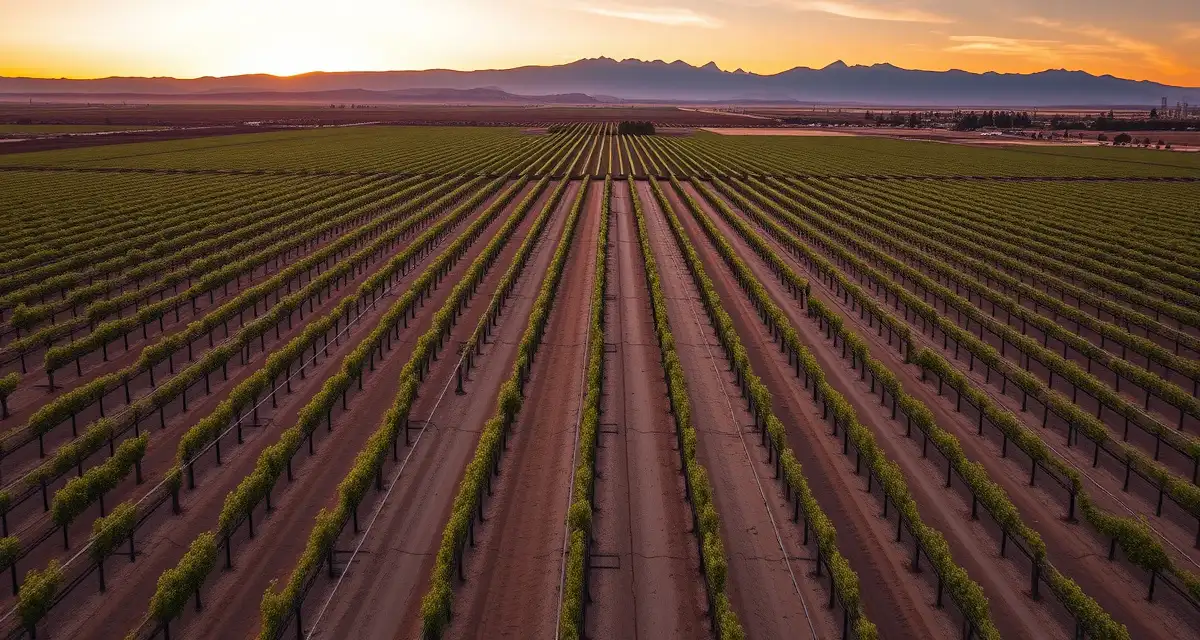
Yakima Valley is Washington's oldest and most planted wine grape region with over 20,000 acres under vine, and its irrigated, semi-arid viticulture creates an IPM calendar unlike anything in the western wine regions. Low annual rainfall, intensively managed irrigation, and dry summers drive specific pest and disease pressures that a generic farm management tool won't address correctly.
VitiScribe gives Yakima Valley vineyard operators a compliance platform that handles Washington WSDA pesticide reporting requirements while reflecting the region's distinct agronomic conditions.
TL;DR
- Yakima Valley has over 20,000 acres of wine grapes -- Washington's largest wine region -- with irrigated semi-arid conditions that create distinct IPM priorities: spider mites, not downy mildew, are the highest-cost pest management challenge
- Spider mite populations can explode from trace-level to economic threshold in less than two weeks during a heat wave in the Yakima Valley; block-level mite pressure records tracking scouting observations alongside spray decisions are essential for resistance management
- WSDA issued 128 pesticide record violations to Washington vineyard operators in 2024 -- most involved missing required fields; VitiScribe requires all mandatory fields at entry so these gaps don't appear in your records
- Washington's groundwater protection laws require spray records to document buffer distances from wells and irrigation canals; in the heavily irrigated Yakima Valley, most vineyard blocks are near irrigation infrastructure where this requirement applies
- Miticide resistance is a serious issue in Yakima Valley commercial vineyards; block-level IRAC group rotation records that track which groups have been applied and how many times give the foundation for a resistance management rotation that preserves efficacy
- VitiScribe pricing scales to operation size: $49/month for up to 25 acres, $199/month for 50-200 acres with multi-user access -- no enterprise pricing complexity
Yakima Valley's Arid Climate and IPM Implications
The Yakima Valley averages under 8 inches of annual rainfall, meaning disease pressure from moisture-dependent pathogens like downy mildew is generally lower than in wetter wine regions. But the dry, hot summers create serious spider mite pressure -- one of the most costly pest management challenges in Yakima Valley viticulture.
Pacific spider mites and two-spotted spider mites thrive in the hot, dusty conditions of irrigated Yakima Valley vineyards. Mite populations can explode from trace-level to economic threshold in less than two weeks during a heat wave, making timely scouting and spray decision documentation critical.
Powdery mildew remains the primary fungal disease threat in the Yakima Valley despite the dry climate. The combination of warm temperatures and moderate humidity during early season provides enough infection opportunity to require consistent fungicide coverage.
WSDA Compliance for Yakima Valley Operations
Washington State Department of Agriculture requires commercial pesticide applicators to maintain spray records with specific required fields. The Washington State vineyard management software profile in VitiScribe applies WSDA-compliant formatting to every spray record automatically.
Washington's groundwater protection laws require spray records to document buffer distances from wells and irrigation infrastructure. In the heavily irrigated Yakima Valley, many blocks sit near irrigation canals, wells, or drainage features. VitiScribe's block mapping flags buffer zone requirements when spray records are entered near mapped water features.
WSDA issued 128 pesticide record violations to vineyard operators in 2024. Most violations involve missing required fields -- applicator license numbers, target pest identification, equipment type, or application method. VitiScribe requires all mandatory fields at the time of entry so these gaps don't appear in your records.
Spider Mite Management in Yakima Valley Vineyards
Spider mite management drives a significant portion of pesticide use in Yakima Valley vineyards. The spider mite vineyard IPM guide covers the integrated approach in detail, but the record-keeping dimension matters here too.
VitiScribe tracks block-level mite pressure from scouting observations and links that data to spray decisions, giving you a multi-season record of which blocks have chronic mite problems versus which are occasional hotspots. This data directly informs your miticide rotation planning to prevent resistance development.
Miticide resistance is a serious issue in Yakima Valley commercial vineyards. Block-level records that track which IRAC groups have been applied, how many times, and with what outcomes give you the foundation for a resistance management rotation that preserves efficacy over multiple seasons.
Irrigation Records and Spray Timing
Irrigation management directly affects spray timing and pest risk in the Yakima Valley. Over-irrigation encourages excessive canopy growth that elevates disease risk. Under-irrigation during heat events amplifies spider mite pressure.
VitiScribe's irrigation scheduling records integrate with spray records so you can correlate water application decisions with pest and disease outcomes over time. This connection helps you identify whether irrigation timing changes can reduce pest pressure before you add another spray.
Yakima Valley AVA Block Coverage
VitiScribe supports block-level records for all Yakima Valley subappellations, including:
- Yakima Valley AVA (the parent designation)
- Red Mountain AVA with its concentrated warm, rocky benchlands
- Rattlesnake Hills AVA at higher elevations with slightly cooler temperatures
- Snipes Mountain AVA with old-vine heritage blocks
- Naches Heights AVA at the western end of the valley
Different subzones within the Yakima Valley have distinct pest timing due to elevation and air drainage differences. Block-level records in VitiScribe let you track those differences rather than applying valley-wide assumptions.
Transparent Pricing for Yakima Valley Operations
Many Yakima Valley wine grape operations range from small family vineyards to large commercial blocks. VitiScribe's pricing scales to operation size without the enterprise pricing complexity that makes Agrian or Granular impractical for smaller growers.
The starter plan at $49/month covers operations up to 25 acres with full WSDA compliance features. The mid-size plan at $199/month covers 50 to 200 acres with multi-user access for up to 8 users.
Frequently Asked Questions
What vineyard management software works for Yakima Valley irrigated vineyards?
VitiScribe works for Yakima Valley operations because it combines Washington WSDA compliance reporting with IPM tracking calibrated to the region's arid, irrigated conditions. The platform handles spider mite and powdery mildew tracking at the block level, documents buffer zones near irrigation canals and wells, and generates WSDA-formatted pesticide use records without manual reformatting. Unlike generic farm tools that apply coastal or humid-climate defaults, VitiScribe lets you configure spray window alerts based on local temperature and humidity data relevant to Yakima Valley conditions. Pricing is transparent and scales to operation size.
How does Yakima Valley's arid climate affect pest pressure vs wetter wine regions?
The Yakima Valley's semi-arid climate creates fundamentally different pest priorities than humid wine regions. Downy mildew pressure is generally low due to limited rainfall, while spider mite populations can explode rapidly during the hot, dry summers. Powdery mildew remains the primary fungal threat but behaves differently than in coastal conditions, requiring coverage calibrated to warm-temperature infection periods rather than humid-morning infection models. Vine stress from heat and water management also affects pest susceptibility in ways that wetter regions don't experience. Spray programs built for Oregon or California coastal conditions will often be misallocated in the Yakima Valley.
How does VitiScribe handle Yakima Valley weather-triggered spray windows?
VitiScribe pulls local weather data from stations near your vineyard blocks to calculate disease and pest risk thresholds relevant to Yakima Valley conditions. When temperature and humidity align with powdery mildew infection periods or conditions that favor rapid mite population growth, the system sends spray window alerts. You can configure thresholds to match your specific block locations, elevation, and microclimate. The platform also integrates with irrigation records so you can consider soil moisture and canopy conditions alongside weather data when making spray decisions.
How should Yakima Valley operations track IRAC group rotation for miticide resistance management?
Block-level IRAC group tracking shows which miticide classes have been applied to each block, how many times in a season, and what sequence was used across seasons. For Yakima Valley operations where miticide resistance has already developed in some blocks, this history is essential for designing a rotation that preserves efficacy in the affected IRAC groups. Resistance management guidelines from IRAC and WSU Extension recommend rotating across at least three IRAC groups per season and avoiding sequential applications within the same group. VitiScribe's IRAC rotation reports show group use history by block across multiple seasons, giving you the data to identify where rotation has been adequate and where it needs adjustment before resistance develops.
What is Vineyard Management Software for Yakima Valley?
[FAQ_ANSWER_PLACEHOLDER: This answer needs to be generated by AI with specific data, examples, and actionable advice relevant to Vineyard Management Software for Yakima Valley. Target 50-150 words.]
How much does Vineyard Management Software for Yakima Valley cost?
[FAQ_ANSWER_PLACEHOLDER: This answer needs to be generated by AI with specific data, examples, and actionable advice relevant to Vineyard Management Software for Yakima Valley. Target 50-150 words.]
How does Vineyard Management Software for Yakima Valley work?
[FAQ_ANSWER_PLACEHOLDER: This answer needs to be generated by AI with specific data, examples, and actionable advice relevant to Vineyard Management Software for Yakima Valley. Target 50-150 words.]
What are the benefits of Vineyard Management Software for Yakima Valley?
[FAQ_ANSWER_PLACEHOLDER: This answer needs to be generated by AI with specific data, examples, and actionable advice relevant to Vineyard Management Software for Yakima Valley. Target 50-150 words.]
Who needs Vineyard Management Software for Yakima Valley?
[FAQ_ANSWER_PLACEHOLDER: This answer needs to be generated by AI with specific data, examples, and actionable advice relevant to Vineyard Management Software for Yakima Valley. Target 50-150 words.]
How long does Vineyard Management Software for Yakima Valley take?
[FAQ_ANSWER_PLACEHOLDER: This answer needs to be generated by AI with specific data, examples, and actionable advice relevant to Vineyard Management Software for Yakima Valley. Target 50-150 words.]
What should I look for when choosing Vineyard Management Software for Yakima Valley?
[FAQ_ANSWER_PLACEHOLDER: This answer needs to be generated by AI with specific data, examples, and actionable advice relevant to Vineyard Management Software for Yakima Valley. Target 50-150 words.]
Is Vineyard Management Software for Yakima Valley worth it?
[FAQ_ANSWER_PLACEHOLDER: This answer needs to be generated by AI with specific data, examples, and actionable advice relevant to Vineyard Management Software for Yakima Valley. Target 50-150 words.]
Related Articles
Sources
- Washington State Department of Agriculture (WSDA)
- Washington State University Extension Viticulture
- Washington Wine Commission
- Insecticide Resistance Action Committee (IRAC)
- USDA Environmental Protection Agency (EPA) -- FIFRA
Get Started with VitiScribe
WSDA issued 128 pesticide record violations to Washington vineyard operators in 2024 -- most from missing required fields that VitiScribe enforces at entry. Spider mite pressure in the Yakima Valley requires block-level IRAC rotation tracking across multiple seasons to manage resistance, and irrigation canal proximity means most blocks need buffer zone documentation on every spray record. VitiScribe handles all of this automatically with WSDA-compliant formatting, block-level mite tracking, and irrigation canal buffer flagging. Try VitiScribe free and set up your first Yakima Valley WSDA-compliant spray record today.