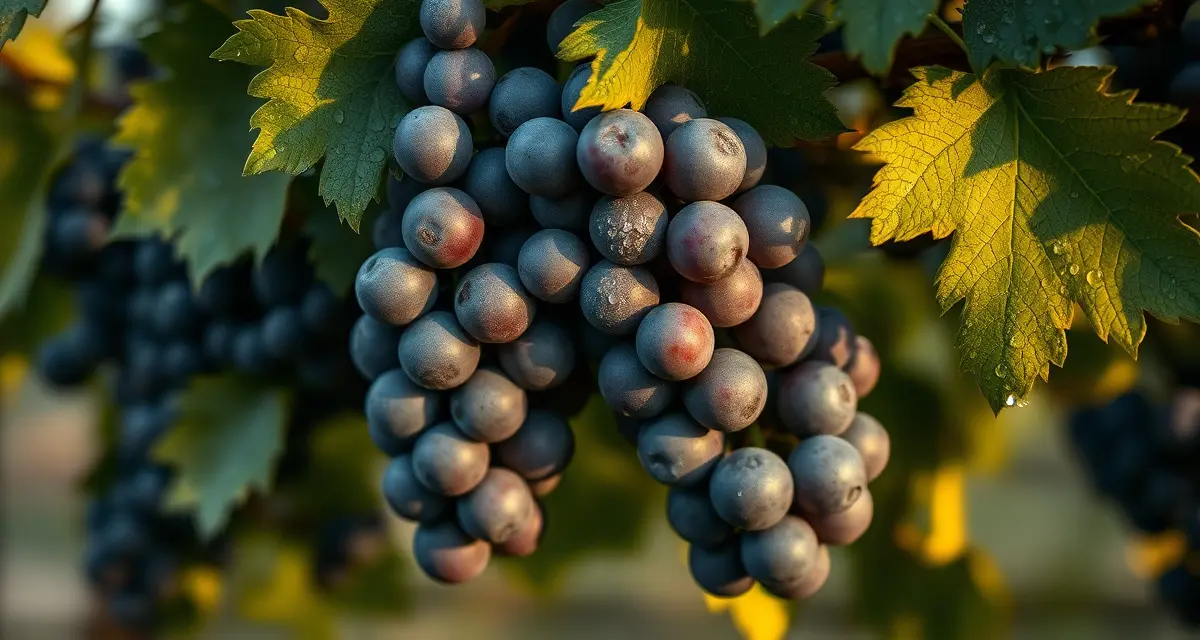
Botrytis Management for Pinot Noir in Willamette Valley
Oregon Pinot Noir's thin skin and tight clusters make it among the most botrytis-susceptible varieties grown anywhere in the US. Combine that variety-level susceptibility with the Willamette Valley's wet autumn climate and you have the defining management challenge of Oregon Pinot Noir production: botrytis control in the final weeks before harvest when conditions are often worst and your spray options are narrowing with PHI constraints.
TL;DR
- Pinot Noir's thin skin and compact cluster architecture create the worst-case combination for botrytis susceptibility in a region where September and October rains are normal, not exceptional
- The pre-bloom (50% capfall) application targeting petal debris infection is often the most important single botrytis application of the year -- it reduces late-season incidence even when subsequent applications are made
- Switch 62.5WG (FRAC Groups 9 + 12) and Elevate 50WDG (Group 17) are the standard high-efficacy botrytis materials; FRAC Group 17 resistance is documented in some Willamette Valley populations and requires rotation
- Oregon ODA requires botrytis spray records with applicator name and license number, product and EPA registration number, application date and site, rate and quantity, target pest, and acres treated -- retained 5 years
- After a rain event of 25mm or more, apply within 48-72 hours -- don't wait for your next scheduled interval
- In wet vintage years, adjusting harvest timing to avoid peak botrytis risk is a legitimate management tool that belongs in the same conversation as fungicide program design
Willamette Valley autumn rains create the highest US botrytis risk for Pinot Noir production. That's not an exaggeration. Oregon producers report that harvest-season botrytis is their single biggest quality management challenge in most vintages, and in wet years like 2011, 2016, and portions of 2023, botrytis pressure at harvest has driven decisions to pick earlier than target ripeness, negotiate with wineries about fruit condition, or accept notable crop loss.
Why Pinot Noir and Willamette Valley Create the Perfect Botrytis Problem
Understanding the pathological reasons for Pinot Noir's botrytis vulnerability helps you design a better management program.
Thin skin: V. vinifera varieties vary considerably in skin thickness. Pinot Noir has among the thinnest grape skins of any vinifera variety. Thin skins are more susceptible to direct penetration by Botrytis cinerea hyphae and create less physical barrier against infection through mechanical damage, insect feeding sites, or natural moisture cracking at veraison.
Tight cluster architecture: Willamette Valley Pinot Noir -- particularly from Wente clone material that dominates many plantings -- can have notably compact cluster architecture. Tight clusters create interior microenvironments with high humidity, poor air circulation, and accumulation of petal debris that provides infection sites for botrytis. Cluster tightness varies by clone, rootstock, and vine training system.
Oregon's autumn rainfall pattern: Unlike California where the harvest window is typically dry, Oregon's harvest season -- September through November depending on style -- falls within the period when Pacific storm systems return. Rain events in September and October are the norm, not the exception in most years.
Cool harvest temperatures: Cool temperatures at harvest (55-65°F nights, 68-78°F days) are ideal for botrytis development. Unlike warm California harvest conditions where clusters dry quickly after rain, Oregon's cool harvest days extend the wetness period after rain events.
Building the Botrytis Management Program
Pre-bloom Application (Most Important Application)
The most impactful single botrytis application in a Willamette Valley Pinot Noir program is often the pre-bloom to early bloom application. Here's why: petal debris from capfall is the primary early-season botrytis infection site. Petals become trapped in developing cluster tissue and create infection sites as they decay. A botrytis fungicide applied at 50% capfall -- roughly 10 days before full bloom -- targets this petal debris infection before it can establish.
This application is often undervalued by growers who focus their attention on the late-season harvest window when botrytis is visible. But research at OSU and in European wine regions consistently shows that early bloom botrytis programs reduce late-season incidence even when additional applications are made.
Apply a high-efficacy botrytis material at this stage: Switch 62.5WG (cyprodinil + fludioxonil) or Elevate 50WDG (fenhexamid). The 7-day PHI for Switch is not a concern at this early-season application.
Bunch Closure Application
As the cluster begins to compact and close, a second application at full bunch closure provides protection against infection through the new contact points created by compressed berry surfaces. Apply a different FRAC group from your bloom application to begin the rotation.
If you used Switch (FRAC Groups 9 + 12) at bloom, consider Miravis Prime (Groups 7 + 12) or Elevate (Group 17) at bunch closure.
Veraison Through Harvest
This is the pressure period. Oregon's September weather patterns -- warm days following rain events, sustained overnight humidity -- create near-continuous botrytis infection opportunity in Pinot Noir clusters once softening begins at veraison.
Application interval: 7-day maximum during the veraison-to-harvest period. In wet years, tighten to 5-6 days if you're seeing breakthrough disease.
After rain events: Apply within 48-72 hours of any notable rain event (25mm+). Don't wait for your regular interval if rain drives you into high-risk conditions. The post-rain 48-hour window is your most vulnerable period.
PHI management near harvest: Oregon Pinot Noir harvest runs September through November. Plan your PHI calendar backward from your target harvest date:
- 14 days before harvest: last application window for Quintec (14-day PHI)
- 7 days before harvest: last application window for Switch, Scala, Vangard (7-day PHI)
- Up to harvest: Elevate, Miravis Prime, Serenade Optimum, Botector (0-day PHI)
VitiScribe calculates harvest clearance dates for every product applied to your Pinot Noir blocks and updates them in real time as you log applications. See ODA compliance requirements for Oregon spray records.
FRAC Rotation for Willamette Valley Pinot Noir
A typical Willamette Valley Pinot Noir botrytis rotation for a full season might look like this:
| Application | Timing | Product(s) | FRAC Group(s) |
|-------------|--------|------------|---------------|
| 1 | 50% capfall | Switch 62.5WG | 9 + 12 |
| 2 | Bunch closure | Elevate 50WDG | 17 |
| 3 | Veraison | Miravis Prime | 7 + 12 |
| 4 | 3 weeks pre-harvest | Switch or Vangard | 9 |
| 5 | 7-14 days pre-harvest | Elevate or Luna Privilege | 17 or 7 |
| 6 | Last spray | Serenade Optimum | BM02 (biological) |
Avoid repeating the same FRAC group in consecutive applications. FRAC Group 17 (Elevate, fenhexamid) resistance is documented in Willamette Valley botrytis populations from high-use vineyards. Group 9 (anilinopyrimidines -- cyprodinil in Switch, pyrimethanil in Scala) resistance is emerging in some Pacific Northwest populations.
VitiScribe tracks FRAC group history by block and flags consecutive same-mode applications.
Canopy Management as Botrytis Prevention
No spray program will compensate for poor canopy management in Pinot Noir botrytis control. The research is unambiguous: bunch zone leaf removal is the most effective single practice for reducing botrytis incidence in susceptible varieties.
Timing: Bunch zone leaf removal timed to berry set (immediately after berry set to berry development) provides the greatest benefit. Early leaf removal opens the cluster environment during the critical period when petal debris is decomposing and young clusters are developing.
Extent: Remove 2-3 leaves from the east side of the canopy in the bunch zone (morning sun exposure). Some growers remove leaves from both sides in high-pressure situations, but east-side removal is more conservative and avoids excessive fruit sun exposure.
Documentation: Log canopy management activities in VitiScribe alongside spray records. Your botrytis management records should show the connection between cultural management dates and spray timing decisions. An auditor or certifier reviewing your program should see that leaf removal preceded your botrytis spray timing, not that you're just spraying regardless of cultural management status.
Organic Options for Willamette Valley Pinot Noir
Oregon has a notable and growing organic wine grape sector. Managing botrytis organically in Pinot Noir is genuinely difficult, but not impossible with the right program design.
Bacillus subtilis (Serenade Optimum, Serenade ASO): OMRI-listed, 0-day PHI. Most consistent biological botrytis tool. Apply on 7-day intervals from bunch closure through harvest. After rain events, re-apply within 48-72 hours.
Potassium bicarbonate (Kaligreen, MilStop): OMRI-listed, 0-day PHI. Contact activity against botrytis. Less systemic than Serenade but adds a physical surface protection layer.
Aureobasidium pullulans (Botector): OMRI-listed, 0-day PHI. Biological botrytis antagonist with different mode of action than Bacillus products. Useful as a rotation partner with Serenade.
Copper (copper octanoate, Cueva): OMRI-listed, 0-day PHI. Some suppressive activity against botrytis at higher rates. Use judiciously to manage cumulative copper inputs within organic program guidelines.
The honest assessment for organic Willamette Valley Pinot Noir: in wet vintage years with high botrytis pressure, biological programs alone often aren't sufficient to achieve the quality outcomes that conventional fungicides deliver. The most successful organic Pinot Noir operations in Oregon combine aggressive canopy management with consistent biological applications and sometimes adjust harvest timing earlier to avoid the worst botrytis pressure windows.
Oregon ODA Compliance for Botrytis Spray Records
All botrytis spray applications in Oregon commercial vineyards require pesticide application records maintained per ODA requirements. Required fields include applicator name and ODA license number, product name and EPA registration number, application date and site, rate and quantity applied, target pest (botrytis cinerea), and acres treated. Records must be retained for 5 years.
For restricted-use pesticides used in botrytis programs (limited -- most botrytis fungicides are not RUP in Oregon), the ODA license number requirement is strictly enforced. See full ODA compliance guidance.
Frequently Asked Questions
What makes botrytis such a problem for Pinot Noir in the Willamette Valley?
Three factors converge: variety susceptibility (Pinot Noir's thin skin provides less physical barrier to infection than thicker-skinned varieties), cluster architecture (compact, tight clusters create humid interior environments where Botrytis cinerea thrives), and climate (Oregon's wet September and October autumns create sustained infection conditions during the critical harvest window). Most California wine regions have dry, warm harvest seasons that allow clusters to dry quickly after any wetting. Oregon's harvest season falls when Pacific storm systems return, with cool temperatures that extend the drying time after rain events.
How should I time botrytis sprays for Pinot Noir in Oregon's wet autumns?
Time your applications to four key events: (1) 50% capfall (pre-bloom botrytis application targeting petal debris infection -- often the most important application), (2) full bunch closure (protecting new berry-to-berry contact points), (3) the beginning of veraison (berry softening increases susceptibility), and (4) every 7 days through harvest with re-application within 48-72 hours of any notable rain event. Manage PHI carefully for applications within 2-3 weeks of harvest -- plan which products you can use within each PHI window and have 0-day PHI materials ready for the final applications.
What organic options are available for botrytis in Willamette Valley Pinot Noir?
OMRI-listed organic botrytis materials with meaningful efficacy include Serenade Optimum (Bacillus subtilis, 0-day PHI), Botector (Aureobasidium pullulans, 0-day PHI), and potassium bicarbonate (Kaligreen, MilStop, 0-day PHI). Copper octanoate (Cueva) provides some suppressive activity with 0-day PHI. The most successful organic Pinot Noir botrytis programs combine these materials on tight (7-day) intervals with aggressive bunch zone leaf removal and willingness to adjust harvest timing in high-pressure years. In wet vintages, organic programs typically achieve lower botrytis control than conventional programs, and managing expectations about acceptable fruit condition is part of organic Pinot Noir production in Oregon.
How do clone differences affect botrytis susceptibility in Willamette Valley Pinot Noir?
Cluster tightness varies significantly among Pinot Noir clones grown in the Willamette Valley. Clones with looser, more open cluster architecture -- including Dijon 115, 667, and 777 -- tend to have lower botrytis incidence than the tight-clustered Pommard and Wente material that was widely planted in older Willamette Valley vineyards. If you're replanting and botrytis management is a priority, clone selection that favors open cluster architecture is worth considering alongside your wine style goals. Document clone by block in your VitiScribe block data so you can analyze the relationship between clone and disease incidence across seasons.
When does ODA require a pesticide advisor license for Willamette Valley botrytis applications?
Oregon requires a Licensed Pesticide Advisor (LPA) to make pesticide recommendations for commercial agricultural operations, though vineyard owners applying pesticides to their own property are generally exempt from the advisor licensing requirement. When using licensed pesticide applicators or purchasing recommendations from an advisor, the LPA's recommendation record should accompany your spray records. For restricted-use pesticide applications by commercial applicators, both applicator license and LPA documentation may be required. The Oregon Department of Agriculture's ODA Pesticide Division can clarify specific requirements for your operation type.
What is Botrytis Management for Pinot Noir in Willamette Valley?
[FAQ_ANSWER_PLACEHOLDER: This answer needs to be generated by AI with specific data, examples, and actionable advice relevant to Botrytis Management for Pinot Noir in Willamette Valley. Target 50-150 words.]
How much does Botrytis Management for Pinot Noir in Willamette Valley cost?
[FAQ_ANSWER_PLACEHOLDER: This answer needs to be generated by AI with specific data, examples, and actionable advice relevant to Botrytis Management for Pinot Noir in Willamette Valley. Target 50-150 words.]
How does Botrytis Management for Pinot Noir in Willamette Valley work?
[FAQ_ANSWER_PLACEHOLDER: This answer needs to be generated by AI with specific data, examples, and actionable advice relevant to Botrytis Management for Pinot Noir in Willamette Valley. Target 50-150 words.]
What are the benefits of Botrytis Management for Pinot Noir in Willamette Valley?
[FAQ_ANSWER_PLACEHOLDER: This answer needs to be generated by AI with specific data, examples, and actionable advice relevant to Botrytis Management for Pinot Noir in Willamette Valley. Target 50-150 words.]
Who needs Botrytis Management for Pinot Noir in Willamette Valley?
[FAQ_ANSWER_PLACEHOLDER: This answer needs to be generated by AI with specific data, examples, and actionable advice relevant to Botrytis Management for Pinot Noir in Willamette Valley. Target 50-150 words.]
How long does Botrytis Management for Pinot Noir in Willamette Valley take?
[FAQ_ANSWER_PLACEHOLDER: This answer needs to be generated by AI with specific data, examples, and actionable advice relevant to Botrytis Management for Pinot Noir in Willamette Valley. Target 50-150 words.]
Related Articles
- Vineyard Management Software for Willamette Valley
- 50-Acre Vineyard Management: Operations and Compliance
Sources
- Oregon Department of Agriculture (ODA)
- UC Cooperative Extension Viticulture
- American Society for Enology and Viticulture (ASEV)
- American Vineyard Foundation
- Wine Institute
Get Started with VitiScribe
Willamette Valley Pinot Noir botrytis management means your spray calendar runs at high frequency from capfall through harvest, with rain-triggered applications that don't follow a predictable schedule. VitiScribe tracks your FRAC rotation by block so you're never accidentally repeating a group with documented resistance in Oregon populations, and PHI calculations update automatically as you log each late-season application. Try VitiScribe free and manage your Pinot Noir botrytis program with records that keep pace with Oregon's autumn weather.