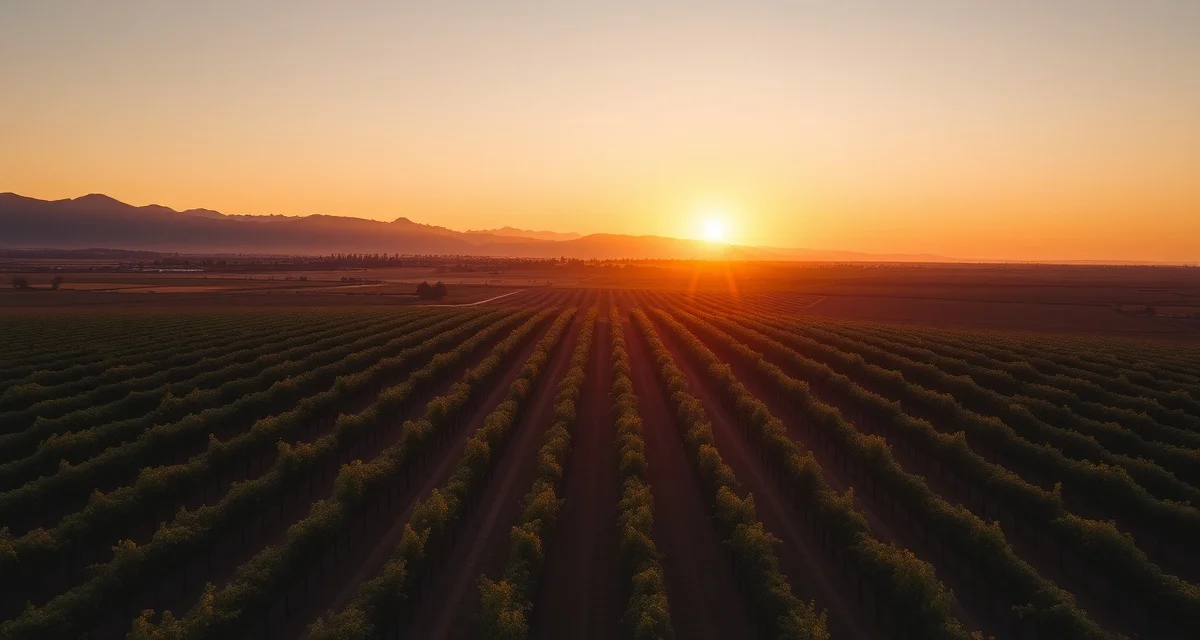
Vineyard Management Software for Idaho Wineries
Idaho has over 60 wineries with Snake River Valley as the primary AVA -- and Idaho's Snake River Valley shares Columbia Valley pest pressures but has distinct ISDA compliance requirements that differ from neighboring Washington's WSDA system. Vineyard managers farming Idaho blocks can't simply apply the Washington compliance framework and assume it works for their Idaho operations. The pest management calendar is similar; the regulatory structure is different.
TL;DR
- Idaho's ISDA pesticide record requirements differ from Washington's WSDA system in format and field specifications -- operations managing blocks in both states need state-specific records for each, not a single format applied to both
- Snake River Valley shares Columbia Valley's semi-arid powdery mildew profile: dry summer climate does not eliminate powdery mildew risk, and 7-10 day intervals through bloom and summer are standard
- GBM is established in the Snake River Valley with three-generation management required; degree day tracking from biofix using local Snake River Valley weather data is the correct timing framework
- ISDA requires 2-year record retention for certified applicators -- Idaho Certified Pesticide Applicator Category 1 (Agricultural Pest Control) is required for restricted-use pesticide applications
- Walla Walla Valley AVA vineyards split across the state line require WSDA-formatted records for Washington blocks and ISDA-formatted records for Idaho blocks -- these are not interchangeable
- VitiScribe generates ISDA-compliant records for Idaho blocks separately from WSDA records for Washington blocks, with Snake River Valley weather station integration for GBM degree day calculations
VitiScribe handles ISDA compliance requirements separately from WSDA requirements, so Idaho operations aren't forced into Washington-formatted records that don't satisfy Idaho inspection requirements.
Idaho's Wine Regions
Snake River Valley AVA: Idaho's primary wine region extends across southern Idaho from the Oregon border to near Twin Falls. The Snake River Valley AVA is one of the largest in the US by area, covering over 8,000 square miles, though commercially planted acreage is much smaller. The climate shares characteristics with Oregon's adjacent Treasure Valley and Washington's Columbia Valley -- semi-arid, hot summers, cold winters, and a long frost-free growing season in lower-elevation sites.
Sunny Slope area (Caldwell/Marsing): The most concentrated wine production in Idaho, with established wineries and vineyards in canyon country west of Boise. Elevation 2,300-2,700 feet.
Emerging areas: Production is expanding into Star, Nampa, and Meridian areas near Boise, and into eastern Idaho in limited quantities.
Idaho's Disease and Pest Pressure Profile
Idaho's Snake River Valley shares the semi-arid climate and disease pressure profile of adjacent Washington and Oregon eastern wine regions:
Powdery mildew: The primary fungal disease concern. Like Columbia Valley, Idaho's dry summer climate doesn't eliminate powdery mildew risk -- infection occurs at low humidity when temperatures are in the 70-90°F range. Idaho programs need 7-10 day intervals through bloom and summer growing season.
Grape berry moth: Idaho has established GBM populations requiring three-generation management in the Snake River Valley. Degree day monitoring from biofix is the correct timing framework, consistent with Columbia Valley and eastern Oregon programs.
Spider mites: European red mite and two-spotted spider mite are present and can build to damaging populations during hot summers. July-August monitoring with predator-to-pest ratio assessment drives intervention decisions.
Mealybug: Present in Snake River Valley vineyards with known history in older blocks. Crawler timing monitoring and Movento (Group 23) applications at peak crawler activity.
Botrytis: Less of a priority than in Oregon's Willamette Valley, but relevant for premium red variety programs in years with wet September or October conditions.
Downy mildew: Low priority in Idaho's semi-arid climate -- similar to eastern Washington's Columbia Valley where downy mildew programs are minimal compared to Oregon's west-of-the-Cascades regions.
Varieties Grown in Idaho
Idaho's Snake River Valley grows a range of varieties suited to its continental semi-arid climate:
- White: Riesling, Chardonnay, Pinot Gris, Viognier, Gewurztraminer, Muscat varieties
- Red: Cabernet Franc, Merlot, Cabernet Sauvignon, Syrah, Barbera, Tempranillo
The growing season's combination of warm days, cool nights, and low humidity is well-suited to aromatic white varieties. Warm sites in the Snake River Canyon also produce red varieties successfully.
Idaho Regulatory Framework: ISDA Requirements
The Idaho State Department of Agriculture (ISDA) administers pesticide compliance in Idaho under the Idaho Pesticide Law.
Record retention: Idaho requires that certified applicators retain pesticide application records for a minimum of 2 years. Records must be available for ISDA inspection upon request.
Required record fields: Applicator name and Idaho certified applicator license number; date of application; description of the application site; name of the pest controlled; name of the pesticide applied (product name and EPA registration number); rate applied; and amount of pesticide applied.
Idaho Certified Pesticide Applicator: Restricted-use pesticide applications require an Idaho Certified Pesticide Applicator in the appropriate category. Category 1 (Agricultural Pest Control) covers vineyard applications. Licensing is through ISDA's Pesticide Regulatory Division.
Worker Protection Standard: Federal WPS applies to all Idaho commercial vineyard operations with employees working in treated fields.
Distinction from Washington WSDA: Washington's WSDA records system has specific formatting requirements and submission protocols that differ from Idaho's ISDA system. Walla Walla Valley AVA vineyards on the Washington side of the border need WSDA-formatted records for those blocks; Idaho-side Snake River Valley vineyards need ISDA-formatted records. These aren't interchangeable.
Building an Idaho Vineyard Spray Program
Dormant season (January-February): Dormant oil for mite egg control. Pruning wound protection where trunk disease history exists. Review prior season records for FRAC rotation and PHI compliance.
Budbreak (April): First powdery mildew application at 2-4 inch shoot growth. Deploy GBM pheromone traps. Begin mealybug monitoring in blocks with prior history.
Shoot elongation and bloom (May-June): 7-day intervals for powdery mildew. GBM first generation application at 100-150 DD50 from biofix. Bee protection during bloom -- no neonicotinoid applications during bloom period.
Berry development through veraison (July-August): Primary spider mite monitoring period. GBM second generation at 750-850 DD50. Powdery mildew at 10-14 day intervals if early-season pressure is controlled.
Veraison through harvest (August-September/October): PHI management dominant. Late-season powdery mildew with 0-day PHI materials. GBM third generation with PHI selection critical. Harvest clearance documentation.
See the Columbia Valley vineyard management guide for how Snake River Valley pest pressure and spray program design compares to the adjacent Washington wine region.
VitiScribe for Idaho Vineyard Operations
VitiScribe's ISDA compliance export generates records formatted for Idaho inspection requirements, distinct from the WSDA-formatted records used for Washington blocks. Snake River Valley weather station integration provides local temperature, wind, and humidity data for accurate GBM degree day calculations and powdery mildew infection risk alerts.
VitiScribe's pricing is publicly available. The spray log compliance hub covers cross-state compliance for operations managing blocks in multiple states.
Frequently Asked Questions
What vineyard management software works for Idaho Snake River Valley vineyards?
Idaho vineyards need software with ISDA compliance formatting, Snake River Valley weather data for accurate GBM degree day tracking, and powdery mildew infection models calibrated to semi-arid conditions. Most vineyard management software treats the Pacific Northwest as a single compliance environment, but Idaho's ISDA requirements differ from Washington's WSDA system in record format and submission protocols. VitiScribe handles ISDA compliance separately, generating Idaho-formatted records for Idaho blocks regardless of whether the same operation also manages Washington or Oregon blocks.
How does VitiScribe handle Idaho's pest pressure calendar?
VitiScribe's weather station integration connects to local stations in the Snake River Valley for GBM degree day accumulation from biofix, powdery mildew infection risk alerts calibrated to semi-arid conditions, and spider mite activity monitoring during the July-August peak pressure period. Mealybug crawler timing alerts use local temperature data. The disease and pest alert models reflect Snake River Valley's semi-arid climate rather than applying Oregon's wet-spring disease calendar to Idaho's different conditions.
What ISDA pesticide reporting requirements apply to Idaho vineyards?
Idaho requires certified applicators to retain pesticide records for 2 years from application date. Required fields include certified applicator name and Idaho license number, application date, application site description, pest controlled, product name and EPA registration number, rate applied, and total pesticide applied. Idaho Certified Pesticide Applicator Category 1 (Agricultural Pest Control) covers vineyard applications. Records must be available for ISDA inspection upon request. Idaho's requirements differ from Washington WSDA requirements in formatting and specific field requirements -- operations managing blocks in both states need records that satisfy each state's system separately.
How do I handle GBM record-keeping differently for Idaho versus Washington blocks in the same Walla Walla Valley operation?
Both states require that GBM spray applications are documented with product, rate, applicator, and application date -- but Washington's WSDA format includes specific fields (applicator license number format, site description codes) that differ from ISDA's format. For operations managing Walla Walla blocks on both sides of the state line, maintaining two separate compliance profiles ensures each block's records satisfy its home state's requirements. VitiScribe generates ISDA-formatted records for Idaho blocks and WSDA-formatted records for Washington blocks from the same spray data entry, without requiring you to maintain parallel spreadsheets in different formats.
What spider mite documentation is useful for IPM certification in Idaho's high-pressure summer conditions?
Spider mite IPM documentation in Idaho's hot, dry Snake River Valley summers should include: the predator-to-prey ratio observed at each scouting visit (not just mite counts alone), the block, vine, and leaf position sampled, and the threshold that triggered or withheld a miticide application. The predator-prey ratio is what distinguishes an IPM-based intervention from a calendar application -- if your ratio is 1:10 (one predator mite per 10 pest mites), that's a documented IPM threshold exceeded; if your ratio is 1:3, that's a documented decision to withhold treatment and allow natural predators to suppress the population. VitiScribe's scouting module allows you to record both prey counts and predator counts per sample, with the ratio calculated automatically and linked to the subsequent spray or no-spray decision.
What is Vineyard Management Software for Idaho Wineries?
[FAQ_ANSWER_PLACEHOLDER: This answer needs to be generated by AI with specific data, examples, and actionable advice relevant to Vineyard Management Software for Idaho Wineries. Target 50-150 words.]
How much does Vineyard Management Software for Idaho Wineries cost?
[FAQ_ANSWER_PLACEHOLDER: This answer needs to be generated by AI with specific data, examples, and actionable advice relevant to Vineyard Management Software for Idaho Wineries. Target 50-150 words.]
How does Vineyard Management Software for Idaho Wineries work?
[FAQ_ANSWER_PLACEHOLDER: This answer needs to be generated by AI with specific data, examples, and actionable advice relevant to Vineyard Management Software for Idaho Wineries. Target 50-150 words.]
What are the benefits of Vineyard Management Software for Idaho Wineries?
[FAQ_ANSWER_PLACEHOLDER: This answer needs to be generated by AI with specific data, examples, and actionable advice relevant to Vineyard Management Software for Idaho Wineries. Target 50-150 words.]
Who needs Vineyard Management Software for Idaho Wineries?
[FAQ_ANSWER_PLACEHOLDER: This answer needs to be generated by AI with specific data, examples, and actionable advice relevant to Vineyard Management Software for Idaho Wineries. Target 50-150 words.]
How long does Vineyard Management Software for Idaho Wineries take?
[FAQ_ANSWER_PLACEHOLDER: This answer needs to be generated by AI with specific data, examples, and actionable advice relevant to Vineyard Management Software for Idaho Wineries. Target 50-150 words.]
Related Articles
Sources
- Washington State Department of Agriculture (WSDA)
- UC Cooperative Extension Viticulture
- American Vineyard Foundation
- Wine Institute
Get Started with VitiScribe
Idaho's ISDA compliance requirements, Snake River Valley pest pressure calendar, and multi-state compliance complexity for Walla Walla operations all require vineyard management software that handles Idaho specifically -- not California or Washington compliance with Idaho blocks treated as an afterthought. VitiScribe's ISDA compliance format, local weather integration, and cross-state record management give Snake River Valley operations the documentation tools for both effective IPM and regulatory compliance. Try VitiScribe free and generate your first ISDA-compliant spray record for your Idaho blocks today.