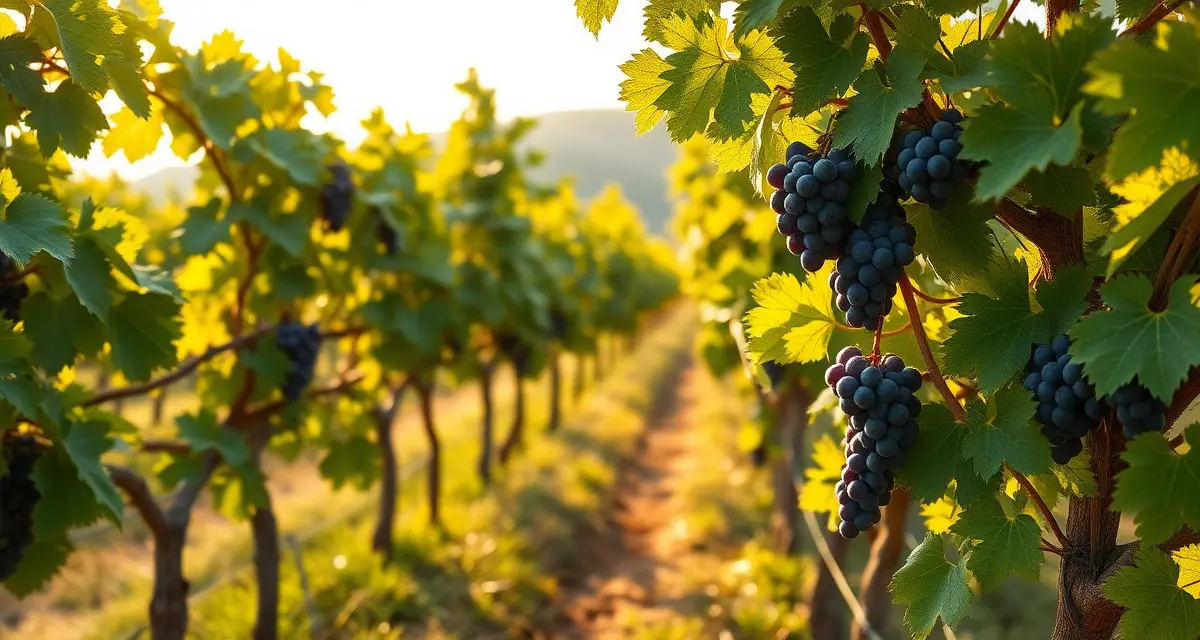
Syrah/Shiraz IPM Calendar for Vineyard Managers
Syrah is one of the more agreeable varieties to manage from a disease pressure standpoint. Its thick skin makes it genuinely botrytis-tolerant compared to varieties like Merlot or Chardonnay, and its heat tolerance keeps it productive under conditions that would stress less-adapted varieties. But "relatively tolerant" isn't the same as "disease-free," and Syrah carries a meaningful powdery mildew susceptibility that requires a structured program.
In California's warm inland sites, Paso Robles, Santa Barbara's warmer valleys, and the Sierra Foothills, Syrah is also increasingly managed alongside spider mite pressure that can be intense in dry years.
TL;DR
- Syrah is moderately susceptible to powdery mildew and requires a full-season program through bunch closure; botrytis risk is genuinely low given the thick berry skin, with exceptions for hail-damaged fruit, very high-vigor congested canopies, and cool coastal sites outside Syrah's climatic optimum
- Spider mites are Syrah's most underappreciated pest management challenge -- Paso Robles Syrah mite populations can reach 4x North Coast averages in dry years, amplified significantly if broad-spectrum insecticides disrupted natural predator populations earlier in the season
- Dormant-season narrow-range petroleum oil applications on mite-pressure blocks reduce overwintering populations before natural predators are active -- a proactive approach compared to reacting to mid-season population explosions
- The miticide selection decision (hexythiazox or spiromesifen to preserve natural predators vs abamectin's 28-day PHI) must account for harvest timing -- Syrah typically harvests earlier than Cabernet, compressing the late-season PHI window
- FRAC group rotation documentation for powdery mildew programs is required for SIP Certified and Lodi Rules and should be tracked by block throughout the season
- Washington WSDA compliance adds buffer zone documentation and T&N species fields to spray records for Washington-grown Syrah -- a California-formatted record does not satisfy Washington's requirements
Syrah's Disease and Pest Profile
Powdery Mildew: The Primary Concern
Syrah is moderately susceptible to powdery mildew (Erysiphe necator). In California's warm, dry growing environments, powdery mildew pressure extends through summer in ways that require consistent spray coverage. The disease doesn't need wet weather to spread, and Syrah's moderately susceptible status means it needs protection through at least bunch closure and sometimes beyond.
Botrytis: Lower Risk Than Most
Syrah's thick berry skin and the loose-to-moderate cluster structure of most clones provide genuine botrytis resistance. Under normal California growing conditions, botrytis bunch rot is rarely an economic problem in Syrah blocks with good canopy management.
The exceptions: very high-vigor blocks with congested canopies, late-harvest programs where extended hang time coincides with fall rain, and cool coastal sites where Syrah is grown outside its climatic optimum. In these situations, botrytis monitoring and potentially fungicide applications are warranted.
Spider Mites in Warm Sites
This is Syrah's most underappreciated pest management challenge. Twospotted spider mite (Tetranychus urticae) and Pacific spider mite (Tetranychus pacificus) both build rapidly on water-stressed vines in hot, dry conditions. Syrah is frequently grown in exactly these conditions.
In Paso Robles, where Syrah is a leading variety, spider mite populations can be 4x higher than North Coast vineyard averages in dry years. If you've applied broad-spectrum insecticides that disrupted natural predator populations (particularly western predatory mite, Galendromus occidentalis), that effect is amplified further.
Mite management in Syrah programs is about protecting the natural predator population as much as it's about direct miticide intervention. Selective insecticides, miticide applications timed before population explosions rather than after, and avoiding broad-spectrum materials during the natural enemy establishment period are all important considerations.
Season-Long IPM Calendar
Dormant to Bud Break
Dormant season miticide applications (narrow-range petroleum oil) are worth considering on blocks with documented mite pressure the prior season. Oil applications at delayed dormant (silver tip to bud swell) reduce overwintering mite populations before natural predators are active.
Pruning wound management for trunk diseases. Syrah can be susceptible to Botryosphaeria and Eutypa dieback on wounds, particularly in wetter California winter/spring conditions.
Bud Break to Pre-Bloom
Scout for flag shoots at 6-inch growth. Begin your powdery mildew program on blocks with flag shoot presence or prior season infections. Sulfur at 10-14 day intervals is appropriate during this stage.
Begin mite scouting. Record mite counts and natural predator presence per leaf per block. Establishing your baseline mite-to-predator ratio early tells you whether natural control is likely to function or whether you're starting the season with a disrupted predator population.
Bloom Through Fruit Set
Switch from sulfur to DMI or SDHI fungicides at 50% bloom. 7-10 day intervals through fruit set.
Mite populations often build during this window in warm sites. Heat accumulation combined with vine stress from the energy demands of fruit set creates favorable conditions for mite population growth. Scout weekly during bloom and fruit set.
Leafhopper first generation nymphs appear during this window in California. Establish your population baseline. Leafhoppers in Syrah are typically manageable through natural controls unless prior broad-spectrum insecticide use has disrupted parasitoid populations.
Bunch Closure to Veraison
Return to 14-day intervals for powdery mildew post-bunch closure. Continue FRAC group rotation.
July and August mite monitoring is critical for warm inland Syrah sites. The threshold for miticide intervention in California wine grapes is typically set at 10-15 mites per leaf, though predator population must be factored in. High predator populations at 5-10 mites per leaf may be self-regulating. Low predator populations at 10 mites per leaf are more likely to need intervention.
If miticide application is warranted, selective materials that preserve natural predators (hexythiazox, spiromesifen) are preferred over broad-spectrum options (abamectin at high rates). Rotating miticide modes of action is important given documented resistance in California mite populations.
Veraison to Harvest
Botrytis monitoring is appropriate on Syrah, though in normal years and well-managed blocks this is more a confirmation exercise than a genuine concern. Inspect cluster samples for berry splitting, insect feeding wounds, or other botrytis entry points. In normal dry California summers, you'll rarely find anything actionable in Syrah before harvest.
The exception is hail events. If your site experienced hail during the season, mechanical berry injury creates botrytis entry points that Syrah's thick skin can't protect against. A botryticide application following hail events is worth making regardless of variety.
Monitor for third-generation leafhopper nymphs at veraison. By this point in the season, economic justification for insecticide application is rare because harvest proximity limits product options and the population will decline with leaf hardening.
Spider mites decline naturally as temperatures moderate in September on most California sites. If populations remain elevated in September, that's usually a sign that predator populations were suppressed earlier in the season and didn't recover.
The powdery mildew IPM hub covers the final season powdery mildew timing considerations for Syrah, and the California vineyard management software page explains how VitiScribe tracks block-level pest history across seasons to capture mite pressure patterns.
Comparing Syrah to Cabernet Sauvignon in a Mixed Program
Both varieties are grown extensively in warm California regions, often on the same property. The key differences in their spray programs:
| Factor | Syrah | Cabernet Sauvignon |
|---|---|---|
| Powdery mildew susceptibility | Moderate | Moderate-high |
| Botrytis susceptibility | Low | Low-moderate |
| Spider mite pressure | Higher (stress-prone) | Lower |
| Harvest timing | Earlier | Later |
| Spray events/season | 8-12 typical | 10-14 typical |
If you're logging spray events by block, the difference in application counts between your Syrah and Cabernet blocks over a 5-year period is meaningful data about relative pest pressure and management efficiency.
Washington and Northern California Syrah
In cooler northern California sites (north Sonoma Coast, Mendocino) and Washington, Syrah faces somewhat different conditions than in warm California inland regions. Botrytis becomes a more realistic concern in these cooler, wetter environments. Powdery mildew pressure remains notable. Mite pressure is lower due to higher relative humidity.
In Washington, WSDA compliance requirements add buffer zone documentation and T&N species fields to spray records. Make sure your spray log format matches Washington's specific requirements if you're farming Syrah in Washington state.
Frequently Asked Questions
What diseases most affect Syrah vineyards?
Powdery mildew is the primary disease management concern with moderate susceptibility requiring a full-season program. Botrytis bunch rot is a low-level concern in most California conditions given Syrah's thick skin and moderate cluster density, but relevant in cooler, wetter sites and following hail events. Spider mites are often the most economically notable pest in warm inland California Syrah blocks during dry years.
How does Syrah's disease profile compare to Cabernet Sauvignon?
Syrah and Cabernet Sauvignon have similar powdery mildew susceptibility profiles, both requiring full-season programs with similar timing. Syrah carries lower botrytis risk than Cabernet due to thicker skin, while Cabernet's tighter clusters in some clones actually increase its botrytis exposure. Spider mite pressure tends to be higher in Syrah when the variety is grown on water-stressed sites, which is more common in Syrah's typical warm dry California environments.
What spray program adjustments are recommended for Syrah in warm California regions?
Syrah programs in warm California regions should include spider mite management as a co-equal consideration alongside powdery mildew, with regular scouting from bunch closure through August. Dormant-season oil applications on mite-pressure blocks reduce overwintering populations before natural predator establishment. Avoid broad-spectrum insecticides during the season to protect the natural predator population. Botrytis program intensity is lower than for high-susceptibility varieties, with pre-harvest applications reserved for seasons with confirmed disease pressure or rainfall events.
How should a Paso Robles Syrah manager document a mid-season decision to apply abamectin (Agri-Mek) given its 28-day PHI against an anticipated harvest in early October?
The spray record for an abamectin application should include the product selection rationale noting the harvest date calculation: "Agri-Mek applied August 28; 28-day PHI clears September 25; earliest anticipated harvest October 1, providing 6-day buffer above PHI clearance." The pre-application scouting record documenting the mite population and predator counts that triggered the decision is the companion document -- for SIP or Lodi Rules compliance, the scouting rationale must be present to satisfy IPM documentation requirements. If harvest is anticipated earlier than October 1 for any part of the block, or if the vineyard manager's harvest window is uncertain within 5-7 days, spiromesifen or hexythiazox with shorter PHIs should be considered instead of abamectin. VitiScribe's PHI conflict alert flags the abamectin application at the planning stage if the entered harvest date creates a PHI window too narrow for abamectin's 28-day restriction.
For a Syrah vineyard block that had documented high spider mite pressure in the prior season due to an early-season pyrethroid insecticide application that disrupted natural predator populations, what records from the prior season should inform the current season IPM plan?
The prior season records that inform the current season decision are: the pyrethroid application record (date, product, rate), the mite scouting records showing the population increase that followed approximately 2-3 weeks after the pyrethroid application, the predatory mite counts at the time of the population spike showing disrupted natural control, and any miticide applications required in response. These records create a documented cause-and-effect chain -- pyrethroid in June, predator disruption documented in scouting, mite population spike in July, miticide required in August -- that the current season IPM plan should directly address. The current season plan should note that the prior season predator disruption pattern argues for avoiding pyrethroids entirely in this block, shifting to selective insecticides for any leafhopper or other insect management need, and beginning dormant-season oil application to reduce overwintering mite populations before predator establishment.
What is Syrah/Shiraz IPM Calendar for Vineyard Managers?
[FAQ_ANSWER_PLACEHOLDER: This answer needs to be generated by AI with specific data, examples, and actionable advice relevant to Syrah/Shiraz IPM Calendar for Vineyard Managers. Target 50-150 words.]
How much does Syrah/Shiraz IPM Calendar for Vineyard Managers cost?
[FAQ_ANSWER_PLACEHOLDER: This answer needs to be generated by AI with specific data, examples, and actionable advice relevant to Syrah/Shiraz IPM Calendar for Vineyard Managers. Target 50-150 words.]
How does Syrah/Shiraz IPM Calendar for Vineyard Managers work?
[FAQ_ANSWER_PLACEHOLDER: This answer needs to be generated by AI with specific data, examples, and actionable advice relevant to Syrah/Shiraz IPM Calendar for Vineyard Managers. Target 50-150 words.]
What are the benefits of Syrah/Shiraz IPM Calendar for Vineyard Managers?
[FAQ_ANSWER_PLACEHOLDER: This answer needs to be generated by AI with specific data, examples, and actionable advice relevant to Syrah/Shiraz IPM Calendar for Vineyard Managers. Target 50-150 words.]
Who needs Syrah/Shiraz IPM Calendar for Vineyard Managers?
[FAQ_ANSWER_PLACEHOLDER: This answer needs to be generated by AI with specific data, examples, and actionable advice relevant to Syrah/Shiraz IPM Calendar for Vineyard Managers. Target 50-150 words.]
How long does Syrah/Shiraz IPM Calendar for Vineyard Managers take?
[FAQ_ANSWER_PLACEHOLDER: This answer needs to be generated by AI with specific data, examples, and actionable advice relevant to Syrah/Shiraz IPM Calendar for Vineyard Managers. Target 50-150 words.]
Related Articles
Sources
- UC IPM Program
- UC Cooperative Extension Viticulture
- California Department of Pesticide Regulation (CDPR)
- American Vineyard Foundation
- Wine Institute
Get Started with VitiScribe
Syrah's pest management complexity -- powdery mildew through season, spider mites in warm inland sites, and PHI management for miticides against an earlier harvest window than Cabernet -- requires block-level tracking that captures mite population trends, predator counts, and FRAC/IRAC rotation history year over year. VitiScribe's scouting module records mite and predator counts at the block level, links dormant and in-season applications to the population data that triggered them, and tracks abamectin PHI against block-specific Syrah harvest dates automatically. Try VitiScribe free and log your first Syrah block's mite scouting observation today.