Mealybug Crawler Timing and Spray Windows for Vineyards
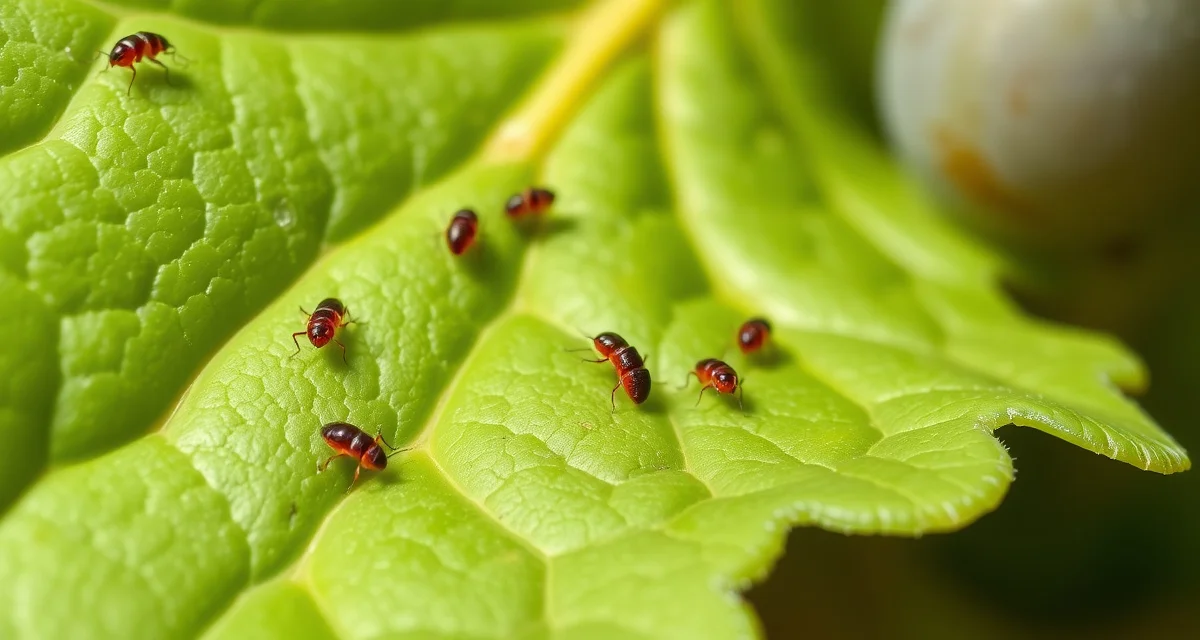
Crawler emergence timing is critical -- sprays two weeks off target miss the window entirely. Grape mealybug (Pseudococcus maritimus) and obscure mealybug (Pseudococcus viburni) management in vineyards lives or dies on crawler timing because crawlers are the only life stage that moves, and they're the most vulnerable to insecticide contact. Once crawlers settle and begin developing the waxy coating that characterizes later instars, most contact materials lose their effectiveness.
TL;DR
- First-generation grape mealybug crawlers peak at 250-350 DD50 from January 1 -- this is the spray window for contact insecticides; systemic products like Movento should be applied at 100-200 DD50 so plant tissue uptake is established before crawlers begin feeding
- Crawlers are the primary mechanism for leafroll virus spread within blocks in leafroll-positive vineyards -- missing the first-generation spray window has consequences beyond the mealybug population itself
- Sticky tape traps on vine trunks at 6-12 inch height beginning in April are the standard monitoring method for first-generation crawler emergence -- five to ten crawlers per tape section per week indicates active emergence and the start of the spray window
- Second-generation crawlers emerge at approximately 800-1,000 DD50 from January 1 -- a second targeted application at this window is required for multi-generation management, especially in blocks with high historical pressure
- IRAC group rotation across applications is required for resistance management -- alternate Group 4A (imidacloprid) with Group 23 (spirotetramat) or Group 5 (spinetoram), not the same group for all applications in a season
- Scouting records documenting tape catch counts and DD50 accumulation at time of spray are the IPM documentation that connects monitoring data to your spray decision for certification and audit purposes
Grape mealybug crawlers are most vulnerable to systemic insecticides at 50-100 DD50 post-hatch -- that's when they're small enough that systemic uptake from treated plant tissue provides effective exposure. Miss that window and you're applying chemistry to wax-covered adults that will shrug off most of what you spray.
The Mealybug Life Cycle and Why Crawlers Matter
Mealybugs overwinter as eggs under bark, in soil at the base of trunks, or as first-instar nymphs in protected trunk crevices. In spring, those eggs hatch into first-instar nymphs -- crawlers. The crawler stage is when mealybug populations are most mobile, most vulnerable, and when insecticide contact is most effective.
Crawlers are tiny -- roughly 0.3-0.4mm -- and can spread within a block by walking across vines, by wind dispersal on webbing, and by attachment to equipment and workers. In leafroll-positive vineyards, first-generation crawler dispersal in spring is the primary mechanism for leafroll virus spread within blocks, which is why timing your spray to this window matters for both insect management and virus management. For the broader context of how mealybug management intersects with leafroll virus documentation, see the leafroll virus vineyard management guide.
Degree Day Models for Crawler Emergence
Grape mealybug crawler emergence timing can be predicted using degree day accumulation from January 1 biofix (or from March 1 in some regional models). The base temperature for mealybug development is 50°F (10°C), the same as grape berry moth.
First-generation crawlers:
- First egg hatch: approximately 180-220 DD50 from January 1 (depending on regional calibration)
- Peak first-generation crawler emergence: 250-350 DD50
- Crawler settlement (decline in vulnerability): 400-450 DD50
Second-generation crawlers:
- Second-generation peak flight: approximately 600-700 DD50 (males emerge, signal female reproductive activity)
- Second-generation egg hatch: approximately 800-900 DD50
- Peak second-generation crawlers: 900-1,000 DD50
VitiScribe's weather integration calculates mealybug degree day accumulation from your vineyard's local temperature data. When your regional accumulation approaches the first-generation crawler threshold, the system can flag the spray window in your pest management calendar.
Monitoring Methods
Monitoring for crawlers before applying insecticides isn't optional -- it's the foundation of your spray decision. Without monitoring data, you're guessing at timing and you have no IPM rationale to document in your spray records.
Egg mass monitoring: Starting in early spring, check the base of vine trunks under bark plates for mealybug egg masses. An egg mass is a white cottony structure roughly 5-10mm long containing 200-600 pink-orange eggs. When you find egg masses in early spring, you know first-generation crawlers are coming. Record the date, the block, and the number of vines checked versus positive vines to calculate a population index.
Sticky tape traps: Wrap double-sided sticky tape around vine trunks at 6-12 inch height in late spring. Crawlers walking up from soil overwintering sites will stick to the tape. Count crawlers on tape at weekly intervals starting in April-May. When you begin catching 5-10 crawlers per tape section per week, you're at the beginning of crawler emergence.
Yellow sticky cards: Suspend yellow sticky cards in the vine canopy to capture winged male mealybugs. Male flight peaks roughly coincide with female crawler and egg-laying activity for subsequent generations. Not a substitute for direct crawler monitoring, but useful as a seasonal indicator.
In VitiScribe, log monitoring observations as scouting records: the monitoring method, date, number of vines or trap stations checked, crawler or egg mass counts per station, and the block surveyed. These records document the threshold-based rationale for your spray decision. See how VitiScribe's scouting module connects to spray decisions.
Insecticide Selection for Crawlers
Systemic insecticides (most effective for crawlers at 50-100 DD50 post-hatch):
Movento (spirotetramat, IRAC Group 23) is highly effective against mealybug crawlers through systemic uptake. It moves bidirectionally in plant tissue, reaching crawlers feeding on roots and stems as well as those in the canopy. PHI is 7 days on grapes. Apply with a penetrant adjuvant for best uptake. REI is 24 hours.
Admire Pro (imidacloprid, IRAC Group 4A) can be applied as a soil drench for systemic uptake or as a canopy spray. Soil applications in early spring reach first-generation crawlers as they emerge. PHI for imidacloprid in grapes is 21 days -- plan accordingly if you're in an early-harvest variety.
Contact insecticides (most effective during active crawler emergence):
Delegate WG (spinetoram, IRAC Group 5) provides good contact activity against crawlers and has a 7-day PHI. Most effective when sprayed directly to areas of high crawler activity -- vine trunks, cordons, and leaf surfaces where crawlers are actively moving.
Esteem (pyriproxyfen, IRAC Group 7C) is an insect growth regulator that disrupts mealybug development. Most effective on eggs and young crawlers. PHI is 7 days.
For organic programs, insecticidal soap (OMRI-listed formulations) provides contact activity against crawlers with a 0-day PHI. Effective when crawlers are directly contacted -- requires thorough coverage of trunk and cordon bark where crawlers are present. Kaolin clay (Surround) creates a physical barrier.
Resistance management: Rotate IRAC groups across applications and generations. Don't use Group 4A (neonicotinoids) for all applications -- alternate with Group 23 (spirotetramat) or Group 5 (spinosyns). For the full IRAC group reference, see the IRAC groups vineyard insecticides guide.
Timing Applications to Crawler Emergence
The optimal spray window for systemic insecticides is the 2-3 week period after peak crawler emergence, when crawlers are actively feeding on plant tissue and taking up systemic chemistry. That corresponds roughly to 50-100 DD50 post-hatch.
For contact insecticides, the window is narrower -- during peak crawler emergence when the most crawlers are actively moving on vine surfaces. This is typically a 7-14 day window centered on the peak of sticky tape catch.
If you're using a systemic soil drench, apply 3-4 weeks before expected first-generation crawler emergence so the insecticide has moved through the root system and is present in plant tissue when crawlers begin feeding.
Log your applications in VitiScribe with the degree day accumulation at time of spray and the most recent monitoring data -- this creates the documented connection between your scouting records and your spray decision. See how VitiScribe block records connect monitoring to spray history.
Frequently Asked Questions
How do I monitor for mealybug crawler emergence in vineyards?
Use a combination of monitoring methods starting in early spring. Wrap double-sided sticky tape around vine trunks at 6-12 inch height and count crawlers weekly beginning in April -- catches above 5-10 crawlers per tape section per week indicate active emergence. Also check trunk bark plates for egg masses starting in February-March to confirm overwintering populations are present. In vineyards with a history of mealybug, check at least 25 vines per block at 3-5 representative locations. Record all monitoring data with date, block, number checked, and count per sample in your scouting log.
What is the degree day model for mealybug spray timing?
Grape mealybug degree day accumulation uses a base 50°F threshold accumulated from January 1. First-generation crawlers typically emerge at 180-220 DD50, with peak crawler activity at 250-350 DD50. This is your primary spray window for contact insecticides. Systemic insecticides are most effective when applied 1-2 weeks before peak emergence so that plant tissue uptake is established when crawlers begin feeding -- target applications at 100-200 DD50 for systemic products. Second-generation crawler emergence occurs at approximately 800-1,000 DD50 from January 1. Regional calibration varies, so confirm thresholds with your local UC Cooperative Extension or state extension service.
What insecticides are most effective against mealybug crawlers in vineyards?
The most effective insecticides for mealybug crawlers combine systemic uptake with contact activity. Movento (spirotetramat) is highly effective as a systemic with bidirectional movement in plant tissue -- apply with adjuvant, PHI 7 days. Admire Pro (imidacloprid) is effective as either a soil drench or canopy spray, PHI 21 days. Delegate WG (spinetoram) provides good contact activity during active emergence, PHI 7 days. For organic operations, insecticidal soap applied at high volume during peak crawler movement provides contact knockdown, PHI 0 days. Always rotate IRAC groups across applications to manage resistance, and confirm current product registration status and label PHI before each application.
How do I document mealybug crawler timing spray decisions for a sustainable certification audit?
Your spray record for a crawler-timed application should include the degree day accumulation at the time of application (which places your timing within the documented spray window), the monitoring data from your most recent scouting event (sticky tape catch counts and block), and the product applied with its IRAC group. The combination of DD50 accumulation plus scouting data creates the documented connection between your timing rationale and your application -- the scouting record shows you were monitoring, the DD50 value shows the phenological basis for timing, and the application record closes the loop. A record that shows only the product and date provides no IPM justification. Lodi Rules, CCOF, and most sustainability programs specifically want to see that timing was based on monitoring data, not a calendar date.
What happens if my mealybug tape catch is very low in spring -- should I still apply a crawler-timed insecticide?
Low spring trap catches can indicate genuinely low overwintering population, late-season management success in the prior year, or late timing of your monitoring program relative to when crawlers were actually moving. If egg mass monitoring in February-March showed low populations and spring tape catches confirm low crawler activity, a threshold-based decision to skip or delay first-generation treatment may be appropriate -- but that decision needs to be documented in your scouting records the same way a spray decision would be. Note the date, the block, the monitoring method and counts, and the decision rationale. A documented no-spray decision when populations are below threshold is better IPM practice than a calendar application. In leafroll-positive blocks, however, even low mealybug populations may warrant treatment because even a small number of viruliferous crawlers can spread GLRaV to healthy vines, so the economic threshold consideration includes the virus vector risk, not just mealybug damage alone.
What is Mealybug Crawler Timing and Spray Windows for Vineyards?
[FAQ_ANSWER_PLACEHOLDER: This answer needs to be generated by AI with specific data, examples, and actionable advice relevant to Mealybug Crawler Timing and Spray Windows for Vineyards. Target 50-150 words.]
How much does Mealybug Crawler Timing and Spray Windows for Vineyards cost?
[FAQ_ANSWER_PLACEHOLDER: This answer needs to be generated by AI with specific data, examples, and actionable advice relevant to Mealybug Crawler Timing and Spray Windows for Vineyards. Target 50-150 words.]
How does Mealybug Crawler Timing and Spray Windows for Vineyards work?
[FAQ_ANSWER_PLACEHOLDER: This answer needs to be generated by AI with specific data, examples, and actionable advice relevant to Mealybug Crawler Timing and Spray Windows for Vineyards. Target 50-150 words.]
What are the benefits of Mealybug Crawler Timing and Spray Windows for Vineyards?
[FAQ_ANSWER_PLACEHOLDER: This answer needs to be generated by AI with specific data, examples, and actionable advice relevant to Mealybug Crawler Timing and Spray Windows for Vineyards. Target 50-150 words.]
Who needs Mealybug Crawler Timing and Spray Windows for Vineyards?
[FAQ_ANSWER_PLACEHOLDER: This answer needs to be generated by AI with specific data, examples, and actionable advice relevant to Mealybug Crawler Timing and Spray Windows for Vineyards. Target 50-150 words.]
How long does Mealybug Crawler Timing and Spray Windows for Vineyards take?
[FAQ_ANSWER_PLACEHOLDER: This answer needs to be generated by AI with specific data, examples, and actionable advice relevant to Mealybug Crawler Timing and Spray Windows for Vineyards. Target 50-150 words.]
Sources
- UC Cooperative Extension Viticulture
- California Department of Pesticide Regulation (CDPR)
- American Vineyard Foundation
- American Society for Enology and Viticulture (ASEV)
Get Started with VitiScribe
Mealybug crawler timing depends on degree day accumulation from local temperature data, not regional averages -- and the spray decision documentation needs to show that timing was based on monitoring data, not a calendar. VitiScribe's weather integration calculates DD50 accumulation by block and flags crawler emergence windows, while the scouting module links tape catch counts to the spray record that follows, giving you the connected IPM documentation that certification audits require. Try VitiScribe free and log your first crawler-timed mealybug scouting event today.