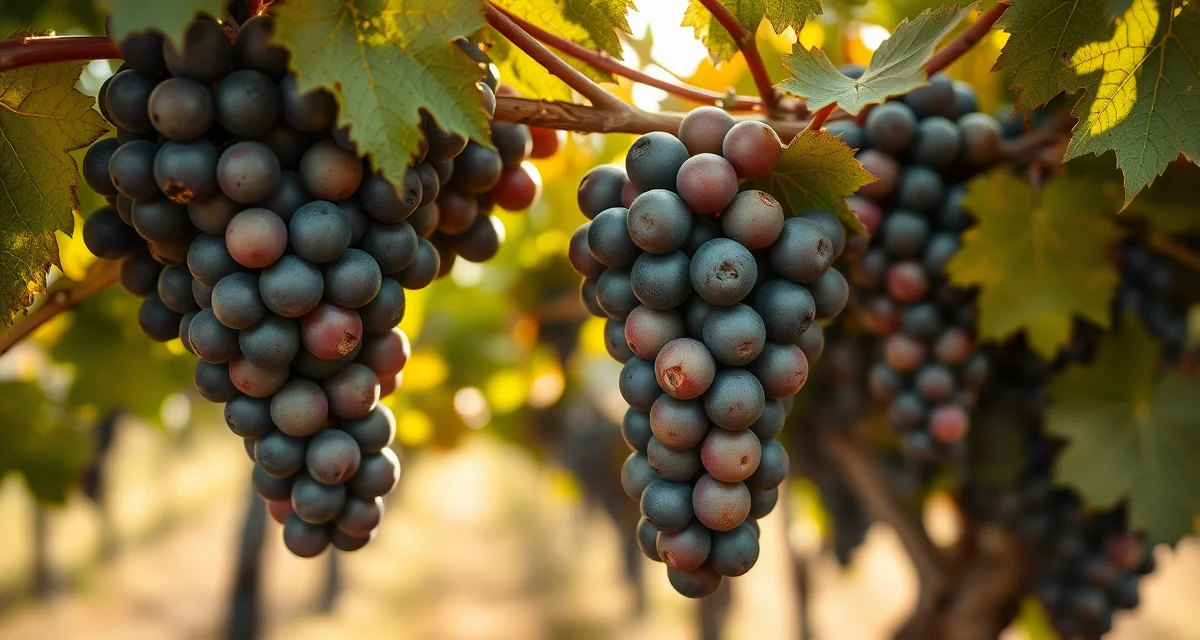
Black Rot Management in Vineyards: Complete IPM Guide
Black rot can cause 100% crop loss in humid eastern vineyards in wet seasons -- that outcome is achievable even with a spray program in place if timing is off or coverage is inadequate during the critical infection windows. Black rot infection models in VitiScribe use eastern US weather data for accurate spray timing, connecting your local temperature and wetness data to the Guignardia bidwellii infection biology that drives application decisions.
TL;DR
- Black rot (Guignardia bidwellii) can cause 100% crop loss in wet eastern seasons -- the critical protection window runs from 2-inch shoot growth through cluster closure, roughly pre-bloom to 4-6 weeks post-bloom
- At 68 degrees F, infection requires approximately 9 hours of continuous leaf wetness -- infection model data tied to local weather is more reliable than calendar-based spray timing
- Mancozeb (FRAC Group M3) has a 66-day PHI in grapes, which means it cannot be used past early summer in programs targeting a September harvest
- Captan (Group M4) with a 0-7 day PHI is the preferred late-season multisite option when mancozeb PHI has expired
- Mummified berries hanging in the cluster or on the ground are the primary overwintering inoculum source -- thorough dormant pruning sanitation meaningfully reduces the starting infection pressure each spring
- FRAC Group 3 DMI materials (Rally, Nova) provide post-infection activity against established black rot lesions and are most valuable at pre-bloom and full bloom windows
This guide covers the biology of black rot in vineyards, how to identify it, when infection events occur, what fungicides work, and how to document your program for IPM and compliance records.
Black Rot Biology and Disease Cycle
Black rot is caused by the fungus Guignardia bidwellii. It overwinters in mummified berries (shriveled infected fruit that cling to clusters or fall to the ground) and in infected cane tissue. In spring, these overwintering structures release ascospores when temperatures warm and rainfall occurs. Ascospores are the primary inoculum for the early part of the season.
Secondary inoculum comes from conidia produced on lesions that develop during the season. Once black rot is active in a block, it spreads within the block through conidial spread from infected tissue.
The infection process:
- Ascospores or conidia are deposited on vine tissue during wetting events
- Infection requires a minimum wetness period at a given temperature (the Mills table for black rot defines these relationships)
- At 68°F (20°C), infection requires approximately 9 hours of continuous wetting
- At 59°F (15°C), infection requires approximately 12 hours of wetting
- At 77°F (25°C), infection requires approximately 7 hours of wetting
- Temperatures below 50°F or above 90°F limit infection even with adequate wetness
Leaf lesions appear 8-25 days after infection (depending on temperature). Fruit lesions appear 10-14 days after infection. The incubation period means that fruit lesions visible at veraison were established by infections that occurred 2-4 weeks earlier.
How to Identify Black Rot
Black rot infects leaves, shoots, berries, and cluster stems.
Leaf lesions:
- Circular to irregular tan or brown spots, 1/4 to 1/2 inch in diameter
- Lesion margin is often darker than the interior
- Black pycnidia (spore-producing bodies) appear as tiny black dots scattered within the lesion
- Lesions may appear on either leaf surface
Berry symptoms:
- Small white circular spots that rapidly expand
- Berries turn brown and shrivel, eventually becoming hard black mummies
- Pycnidia visible on mummified berries
- Infected berries may remain attached to the cluster or fall -- mummies on the ground or hanging in the cluster are the primary overwintering inoculum source
Cane and shoot lesions:
- Elongated, dark brown lesions on infected canes
- Less commonly observed but important as an overwintering inoculum source
Confirmation: Hand lens examination of lesions at 10x magnification reveals the pycnidia -- small black flask-shaped structures that are diagnostic for Guignardia bidwellii.
Critical Spray Timing for Black Rot
The critical period for black rot management is from 2-inch shoot growth through cluster closure. This window roughly corresponds to March-June in most eastern US vineyards, but timing varies by region and year.
Why this window matters: Young berry tissue is far more susceptible to black rot than mature berries. The infection rate drops dramatically as berries ripen -- by the time berries are firm and turning color, they're much harder to infect. But from bloom through approximately 4-6 weeks after bloom (cluster closure), any infection event can establish latent infections that show as fruit rot at harvest.
Priority application windows:
- 2-4 inch shoot growth: First application for early-season protection. Protects young tissue from ascospore release.
- Pre-bloom (just before flowering): Critical. Protects flower tissue and young berry tissue.
- Full bloom through petal fall: Highest-susceptibility period for fruit. 7-day intervals required in wet conditions.
- Post-bloom through cluster closure: Continue until 4-6 weeks after bloom. Extend intervals to 10-14 days as berries approach cluster closure and susceptibility declines.
Once clusters are closed, the urgency of black rot management drops substantially in most programs. Late-season infections can still occur on leaves and canes, but the fruit-protection window has passed.
Fungicide Selection for Black Rot
Effective fungicide groups for black rot:
FRAC Group M3 (mancozeb -- Dithane, Manzate): A highly effective multisite material for black rot. Broad activity, low resistance risk, economical. PHI is typically 66 days (varies by label) -- can't be used close to harvest. Mancozeb is a restricted-use pesticide in some states.
FRAC Group M4 (captan -- Captan 50W, Maestro): Another multisite contact material with good black rot activity. PHI is 0-7 days depending on formulation. Useful for late-season applications when mancozeb PHI has expired.
FRAC Group 3 (DMI fungicides -- Miravis, Rally, Elite): Systemic materials with both protective and post-infection activity against black rot. Rally (myclobutanil) has a 30-day PHI. Nova (tebuconazole) has a 14-day PHI. Useful through much of the season.
FRAC Group 7 (SDHI -- Miravis): Some SDHI materials have activity against black rot. Check label for specific black rot efficacy claims.
Building your rotation: Use multisite materials (mancozeb, captan) as the foundation of your black rot program. Add DMI materials for systemic activity at key windows (pre-bloom, full bloom). Rotate FRAC groups -- no more than 2-3 consecutive applications of the same group.
Sanitation as Part of Black Rot Management
Overwintering inoculum in mummies and infected canes is the starting point of every season's black rot problem. Sanitation reduces that starting population.
Mummy removal: Removing mummified berries during dormant pruning reduces the spore-producing structures that release ascospores in spring. This is most practical in small operations where thorough removal is achievable. In larger commercial blocks, mummy collection is often impractical but thorough leaf litter management (avoiding leaving infected material in the row center) is helpful.
Infected cane removal: Pruning out canes with visible black rot lesions reduces overwintering conidia in the block.
These sanitation steps don't replace a spray program but reduce the inoculum load your spray program has to manage.
Documenting Black Rot Management in VitiScribe
Complete IPM pillar guide connects black rot management to your broader program documentation. Your spray records for black rot applications should include the target pest (black rot -- Guignardia bidwellii), the application rationale (timing relative to shoot growth stage or infection event), and the FRAC group for rotation tracking.
For sustainable certification audits, black rot spray records with documented infection event rationale demonstrate IPM-based management rather than calendar spraying. Downy mildew IPM hub is useful context since downy mildew applications often co-occur with black rot applications in eastern US programs.
Frequently Asked Questions
How do I identify black rot in my vineyard?
Look for circular, tan to brown lesions on leaves with tiny black dots (pycnidia) scattered within the lesion. On berries, look for small white spots that expand and turn the berry brown, then black and mummified. The mummified berry stage is diagnostic -- a hard, shriveled black berry with black pycnidia dots on its surface is a classic black rot mummy. Lesions on canes are elongated and dark brown. Confirmation with a hand lens at 10x magnification to see pycnidia resolves diagnostic uncertainty when symptoms are ambiguous.
When is the critical spray timing for black rot in vineyards?
The critical spray timing for black rot is from 2-inch shoot growth through cluster closure -- approximately 4-6 weeks after bloom. This window protects young, susceptible berry tissue from the infection events that become visible fruit rot at harvest. Applications are most critical at pre-bloom, during bloom, and for 3-4 weeks post-bloom. At cluster closure, berry susceptibility drops substantially and the urgency of the black rot program decreases. In wet years where infection events occur frequently during the critical window, 7-day intervals are often necessary. In drier years with fewer infection events, 10-14 day intervals may be adequate.
What fungicides are most effective against black rot in eastern US vineyards?
Mancozeb (FRAC Group M3) and captan (Group M4) are the most widely used and cost-effective black rot materials. Both are contact protectants with low resistance risk. Mancozeb's 66-day PHI limits late-season use; captan's shorter PHI makes it useful into the summer program. DMI fungicides (Group 3 -- Rally, Nova, Tebuzol) provide systemic activity and some post-infection activity against black rot and are useful at key windows like pre-bloom and full bloom. Build your rotation around multisite materials as the foundation, with DMIs at the highest-priority windows, and rotate FRAC groups to avoid consecutive same-mode applications.
How does variety susceptibility to black rot differ among wine grape cultivars?
European wine grape varieties (Vitis vinifera) are highly susceptible to black rot -- there is no commercial vinifera variety with meaningful resistance to Guignardia bidwellii. Native American species and some hybrid varieties have partial resistance, but even resistant hybrids can sustain significant fruit loss in high-inoculum, high-wetness years. Tight-clustered varieties like Concord-type grapes hold moisture longer than loose-clustered varieties, increasing infection risk during extended wet periods. Canopy management that opens clusters to airflow and faster drying reduces the duration of leaf wetness periods that drive infection.
Should black rot and downy mildew be managed with the same spray applications in eastern vineyards?
They often can be, but not always. In early-season applications (2-inch shoot through pre-bloom), mancozeb provides good coverage of both black rot and downy mildew. During bloom, some downy mildew materials (FRAC Group 40 -- phosphonate materials like Phostrol) do not have black rot activity and may need to be tank-mixed with a black rot-active material. Check each material's label for black rot activity claims specifically -- downy mildew efficacy does not automatically translate to black rot coverage.
How do I document black rot infection events in my IPM records to support spray timing decisions?
Log infection events using your local weather station data: record the date range of the wetting period, temperature during the wetness period, duration in hours, and the Mills table threshold that was met (or approached). VitiScribe's weather integration can pull this data automatically. Documenting infection events in your scouting or spray notes -- "Mills threshold met, 11 hours of leaf wetness at 65 degrees F on May 14, protective application applied May 13" -- demonstrates that your spray timing is driven by actual infection risk, not a fixed calendar schedule. This record is valuable for sustainable certification audits and strengthens your IPM documentation.
What is Black Rot Management in Vineyards: Complete IPM Guide?
[FAQ_ANSWER_PLACEHOLDER: This answer needs to be generated by AI with specific data, examples, and actionable advice relevant to Black Rot Management in Vineyards: Complete IPM Guide. Target 50-150 words.]
How much does Black Rot Management in Vineyards: Complete IPM Guide cost?
[FAQ_ANSWER_PLACEHOLDER: This answer needs to be generated by AI with specific data, examples, and actionable advice relevant to Black Rot Management in Vineyards: Complete IPM Guide. Target 50-150 words.]
How does Black Rot Management in Vineyards: Complete IPM Guide work?
[FAQ_ANSWER_PLACEHOLDER: This answer needs to be generated by AI with specific data, examples, and actionable advice relevant to Black Rot Management in Vineyards: Complete IPM Guide. Target 50-150 words.]
What are the benefits of Black Rot Management in Vineyards: Complete IPM Guide?
[FAQ_ANSWER_PLACEHOLDER: This answer needs to be generated by AI with specific data, examples, and actionable advice relevant to Black Rot Management in Vineyards: Complete IPM Guide. Target 50-150 words.]
Who needs Black Rot Management in Vineyards: Complete IPM Guide?
[FAQ_ANSWER_PLACEHOLDER: This answer needs to be generated by AI with specific data, examples, and actionable advice relevant to Black Rot Management in Vineyards: Complete IPM Guide. Target 50-150 words.]
Related Articles
Sources
- Cornell University Cooperative Extension Viticulture
- UC Cooperative Extension Viticulture
- American Vineyard Foundation
- American Society for Enology and Viticulture (ASEV)
- Wine Institute
Get Started with VitiScribe
Managing black rot in eastern vineyards means your spray decisions are driven by infection events, not just dates on a calendar. VitiScribe connects your local weather data to black rot infection models so you can see when a Mills threshold has been met and document that risk in your spray records. PHI tracking keeps your mancozeb and DMI applications organized as harvest approaches and the long-PHI window closes. Try VitiScribe free and log your first black rot application with infection event documentation built in.